

This oil platform stopped pumping 30 years ago. Alaska still won’t make the owner tear it down.
Removing all the offshore oil infrastructure from Cook Inlet could cost $1 billion. But some platforms have sat idle for decades, as inspectors say they're in an "advanced state of disrepair."
For the past year, I’ve been collaborating with Alaska Public Media and their partners, Minnesota-based APM Reports, on periodic in-depth reporting projects. This story is one that I’ve been working on, in some form or fashion, for nearly a year, and it’s the last one in our partnership — at least in its current iteration.
Over the summer and fall, I spent hours reviewing archival documents at the state oil and gas division offices; I also boated out to one of the Cook Inlet oil platforms from fish camp and took a flyover with a friend who owns a small plane. The result, I think, is a window into a consequential niche of state policy that, perhaps, hasn’t gotten the attention it deserves.
An excerpt of the story is below. You can read the full piece at Alaska Public Media and APM Reports’ websites. And an episode of the Northern Journal podcast discussing the story will be released tomorrow morning. Thanks for reading.
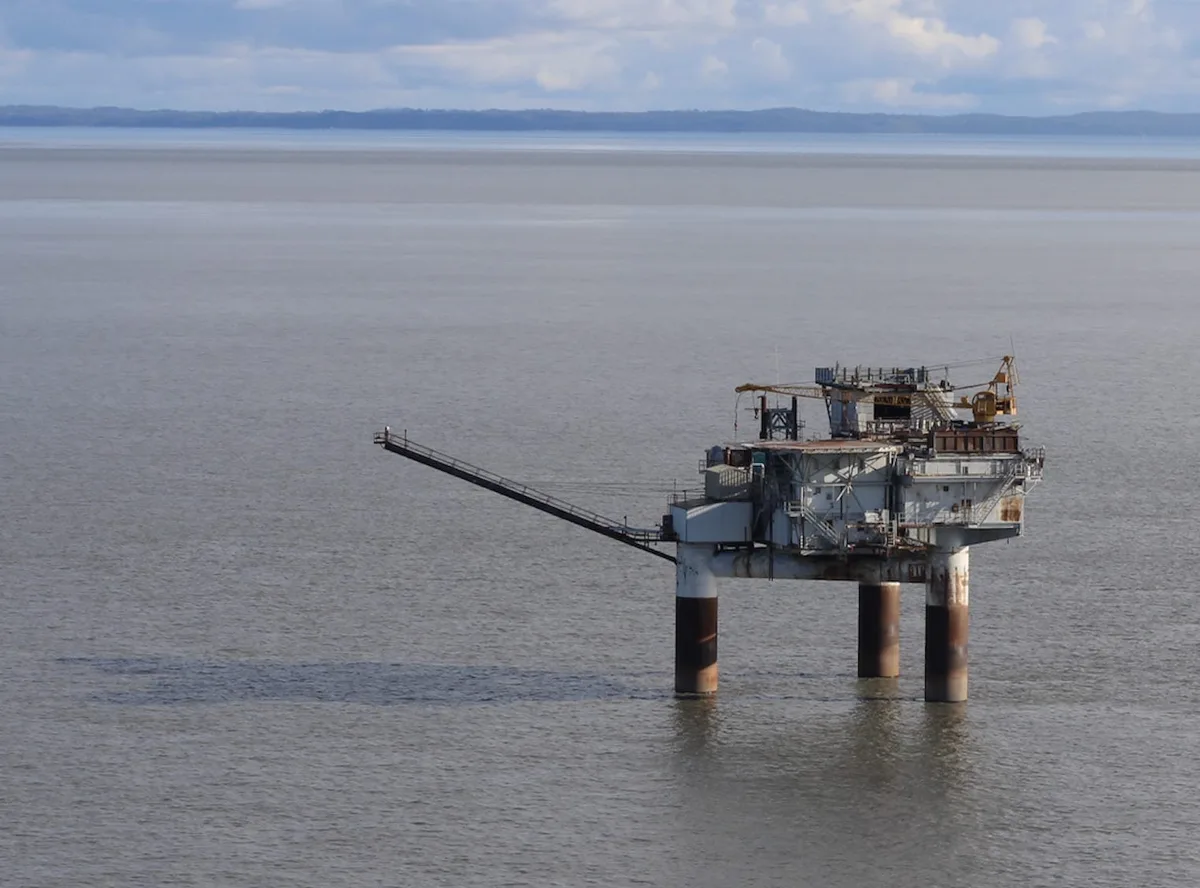
The Spurr oil platform stopped pumping crude from beneath the silty ocean water outside Anchorage in 1992.
The platform, built in Cook Inlet during Alaska’s first oil boom in the 1960s, was losing money, officials from owner Marathon Oil wrote in a letter to the state. Oil production was expected to decline, and a review of seismic data showed that “no further economic development potential exists,” the letter said.
A top Alaska oil and gas official, Ken Boyd, agreed. He informed Marathon that in less than two years the company would need to start the process of demolishing and hauling away the hulking structure, as required under its lease with the state.
When oil companies build offshore platforms and other infrastructure, they must also agree to restore the public property to the state’s satisfaction once they’ve finished extracting oil and gas.
But more than 30 years later, the platform is still there. It has not produced a drop of oil since George H.W. Bush was president. And it’s set to remain in the inlet for years more.
Boyd backed down, and since then, Cook Inlet oil and gas companies have been fending off state regulators’ repeated attempts to advance the costly process of dismantling their unused platforms — beating back those efforts and minimizing their obligations.
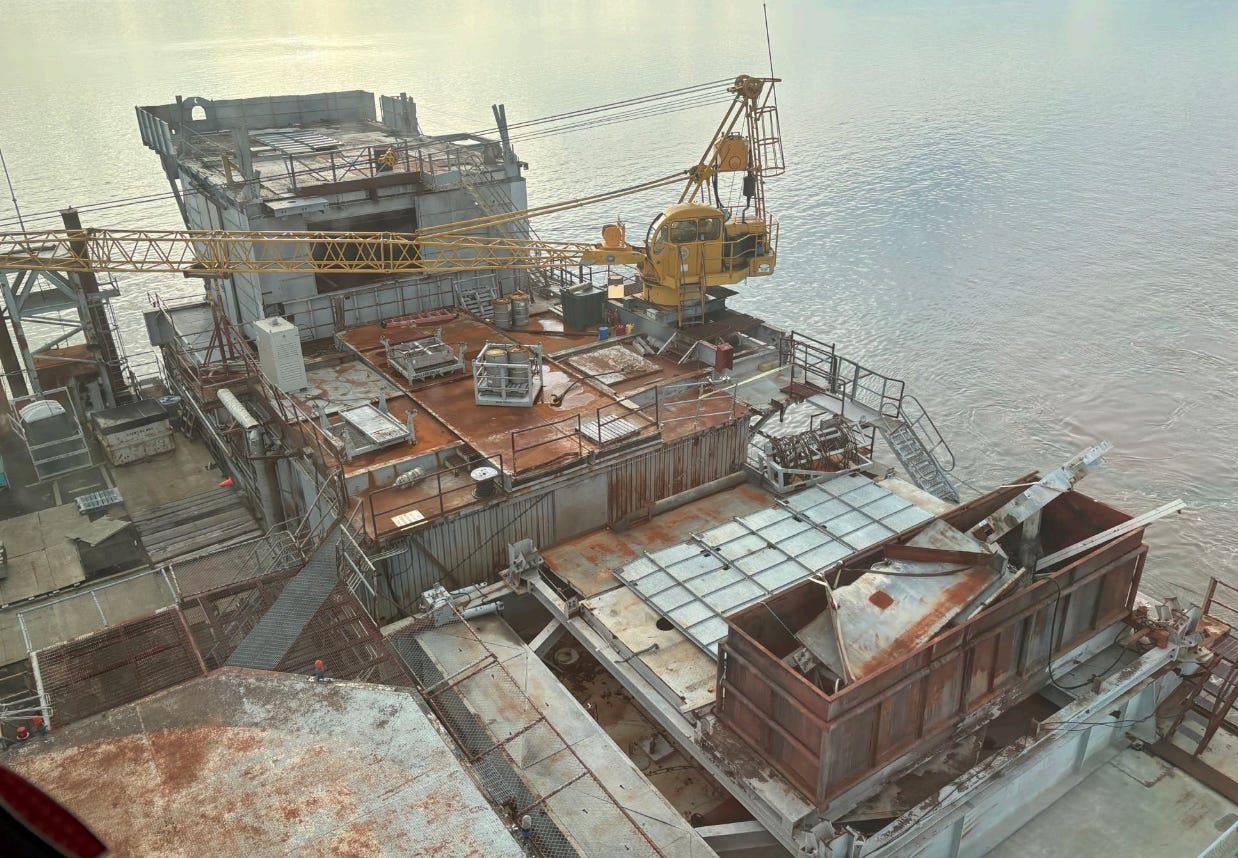
Today, the multi-level structure, complete with a helicopter landing pad and crane, sits unused, “rusting away,” as a state inspector wrote in a 2021 report. Signs warn of an asbestos hazard, and most rooms are in an “advanced state of disrepair,” with “paint peeling from the walls, standing water on the floor, and severely corroded piping and machinery,” other state inspectors wrote after a visit in October.
Read the rest of the story at Alaska Public Media and APM Reports’ websites.
The Anchorage Press corrects errors publicly and promptly. If you believe this reporting contains an inaccuracy, please contact [email protected].

Nathaniel Herz
Nathaniel Herz is the Executive Editor of the Anchorage Press and founder of Northern Journal.
JOIN THE PRESS EMAIL LIST
Sign up for the good stuff. Free email dispatches delivered straight to your inbox with zero paywalls.
RELATED DISPATCHES
Biden administration advances conservation group's bid to list Gulf of Alaska king salmon as endangered or threatened
Experts say that the request, if granted, could force restrictions not just on salmon fishermen but also on activity that affects river habitat, like road and residential construction.

Shell abandons North Slope oil leases, raising questions about the industry’s future in Alaska
As the world pivots toward lower-carbon energy sources in response to global warming, experts say some of the state’s hard-to-tap oil prospects are becoming less attractive.

Something woolly is afoot in Alaska 🦣🦣
A mammoth investigation.
Like what you see?
We want you to have nice things. We’re dedicated to reporting on the hard and the fun topics (sometimes both…) – powered by Alaskan readers.