
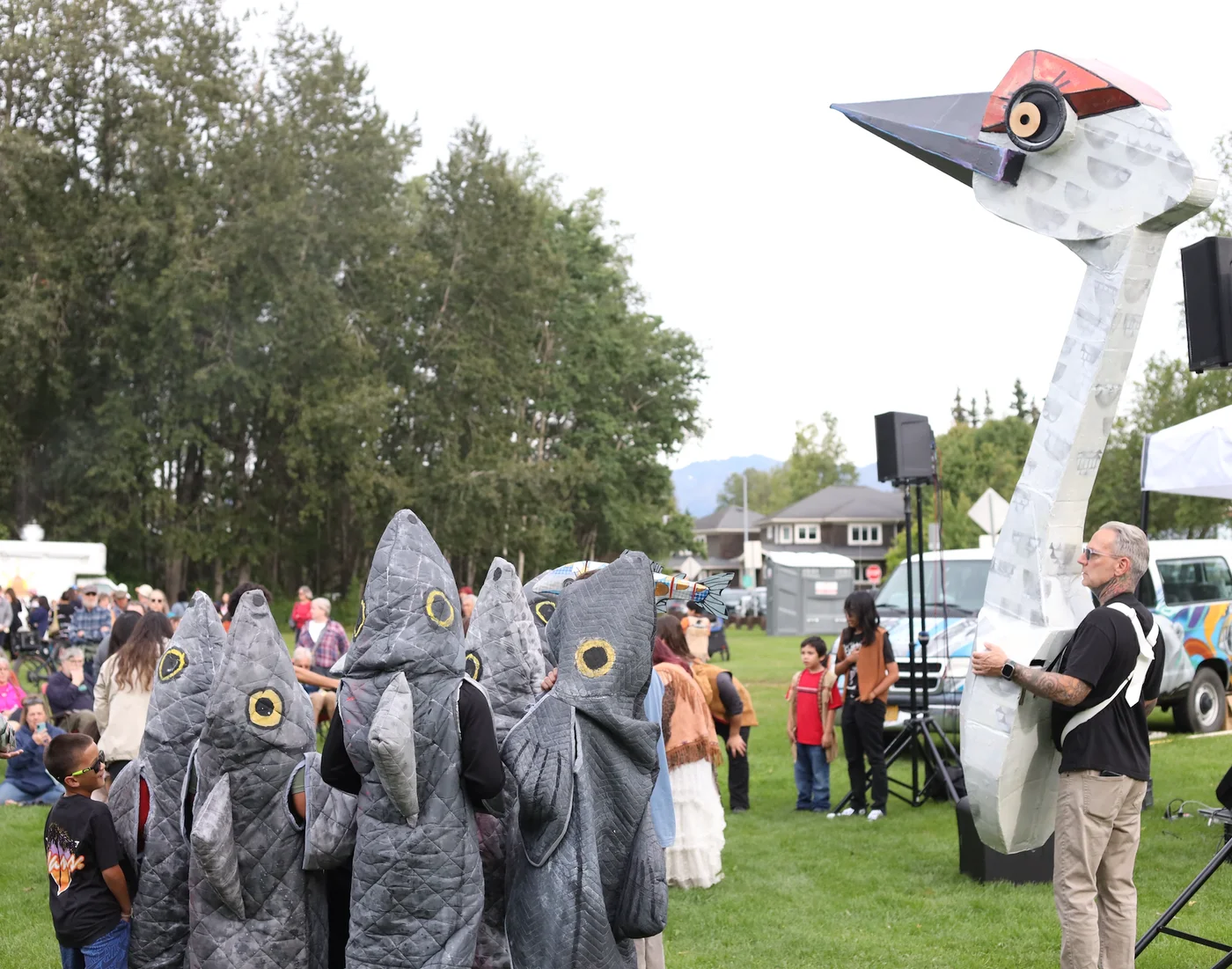
Ch’atanaltsegh: A weird and wonderful parade marks return of a Dena’ina place name in Anchorage
Larger-than-life salmon and sandhill cranes joined Indigenous dancers near Fish Creek, just west of downtown.
BY Nathaniel HerzAug 29, 2026

LAND & WATERS DESK
Deep reporting on Alaska fisheries, mining disputes, wildlife biology, and environmental policy.
Larger-than-life salmon and sandhill cranes joined Indigenous dancers near Fish Creek, just west of downtown.
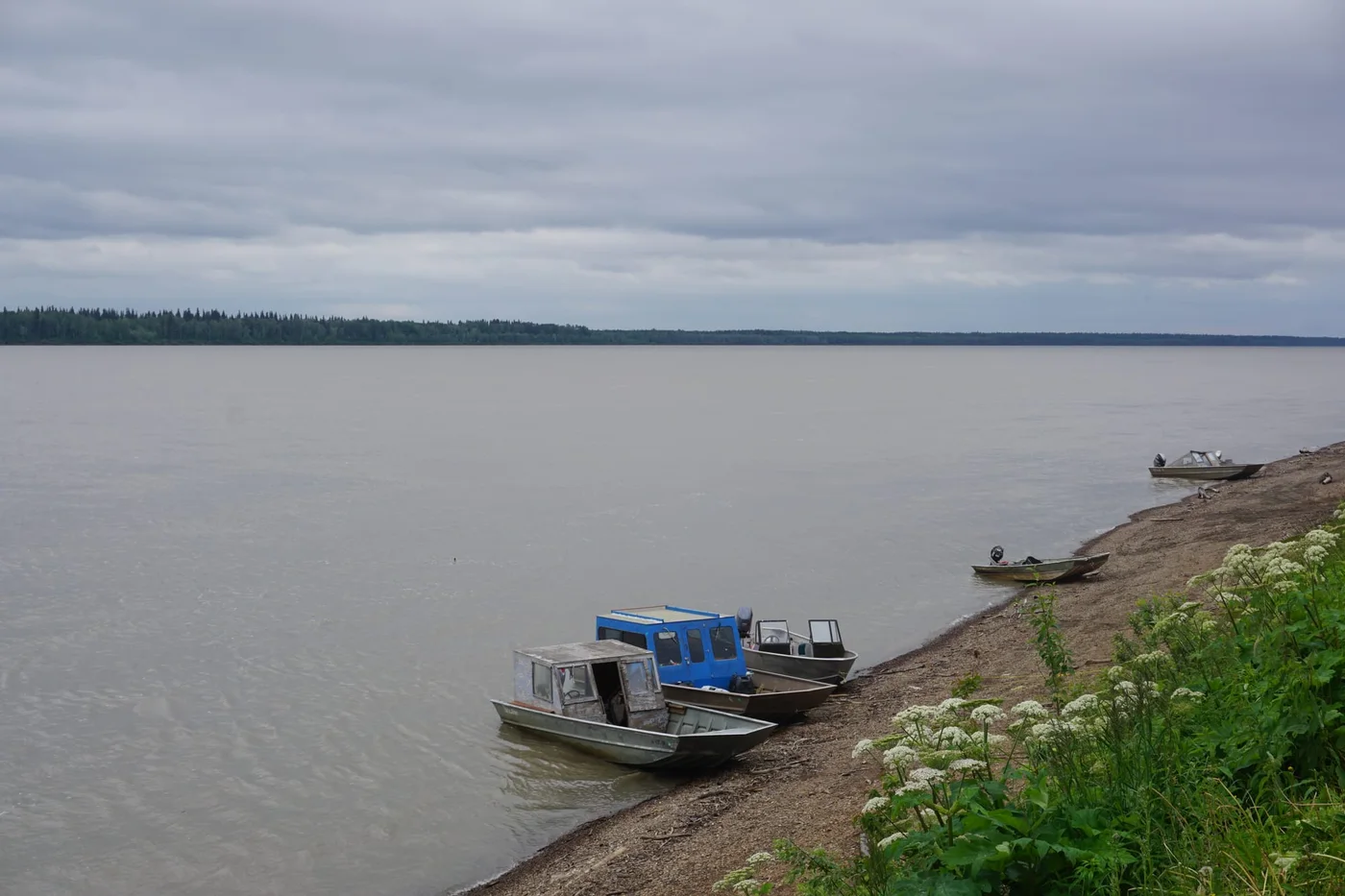
The jump in salmon numbers has also inflamed a debate about fishing bans amid reports of illegal harvests.
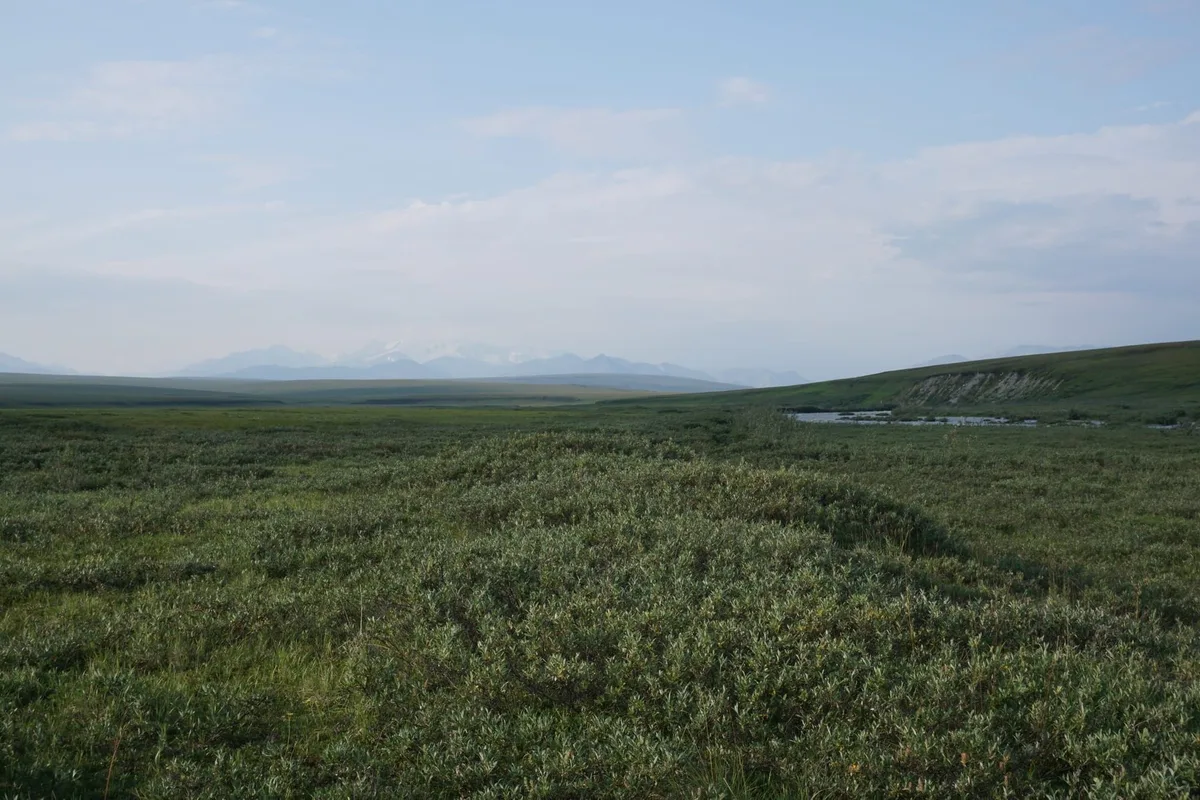
AIDEA is spending as much as $175 million to look for petroleum in the refuge.
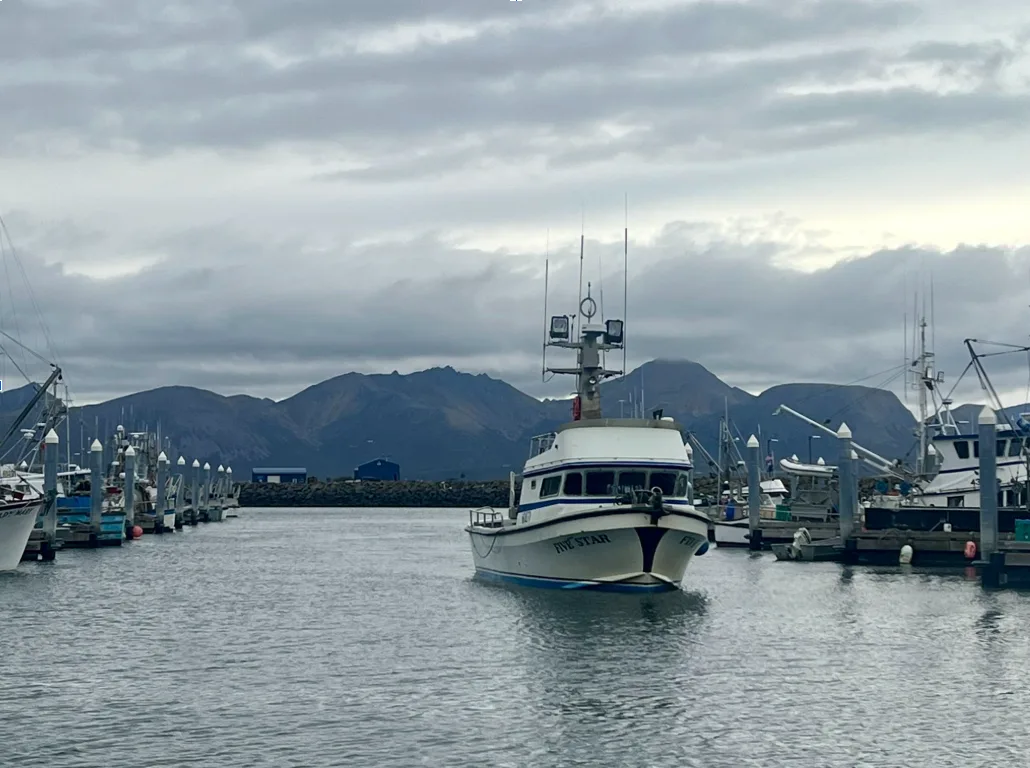
Subsistence fishermen are fighting the attorney general’s decision to overturn the board’s action.
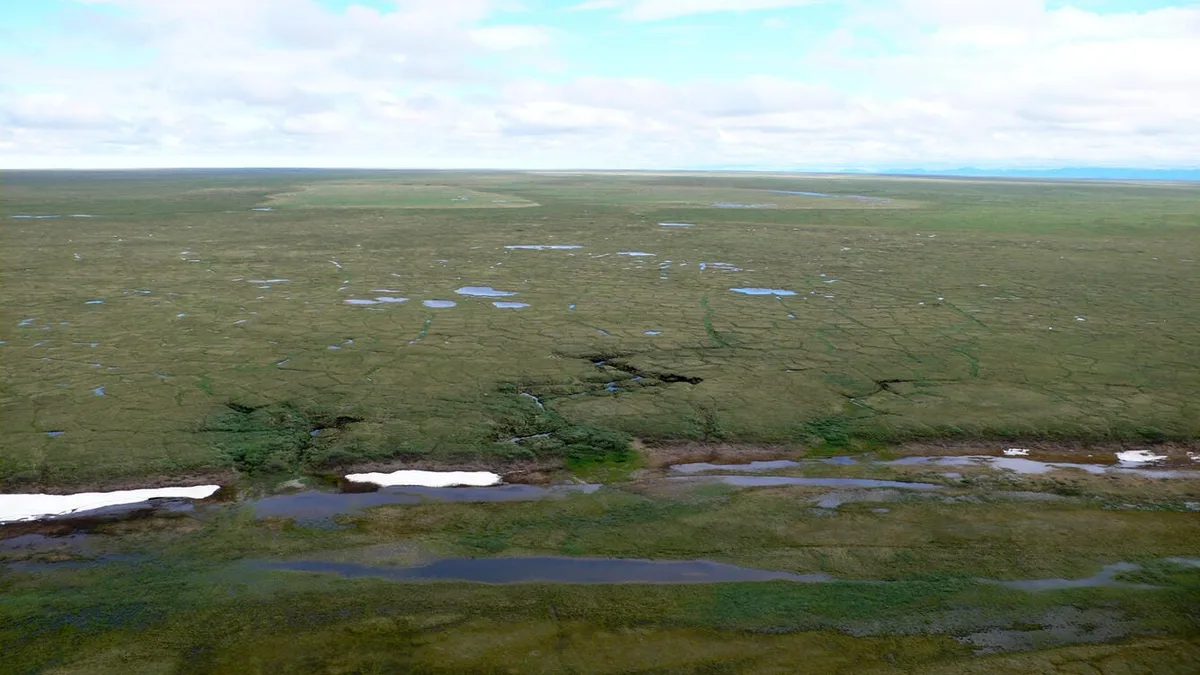
AIDEA intends to move ahead with geologic testing on its leases in the Arctic National Wildlife Refuge, and to bid on new ones in an upcoming federal sale.
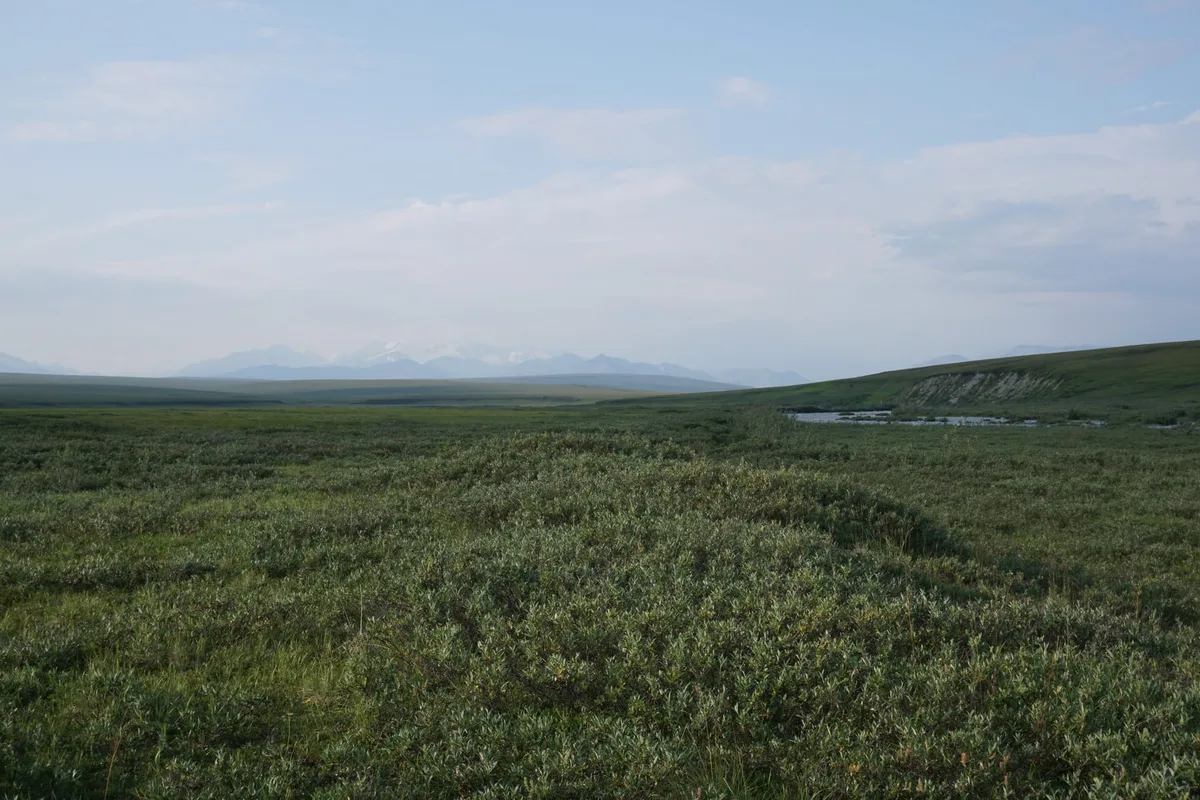
Alaska’s economic development agency, AIDEA, wants to conduct geologic testing on its existing oil leases — and to bid on new ones — in the Arctic National Wildlife Refuge.
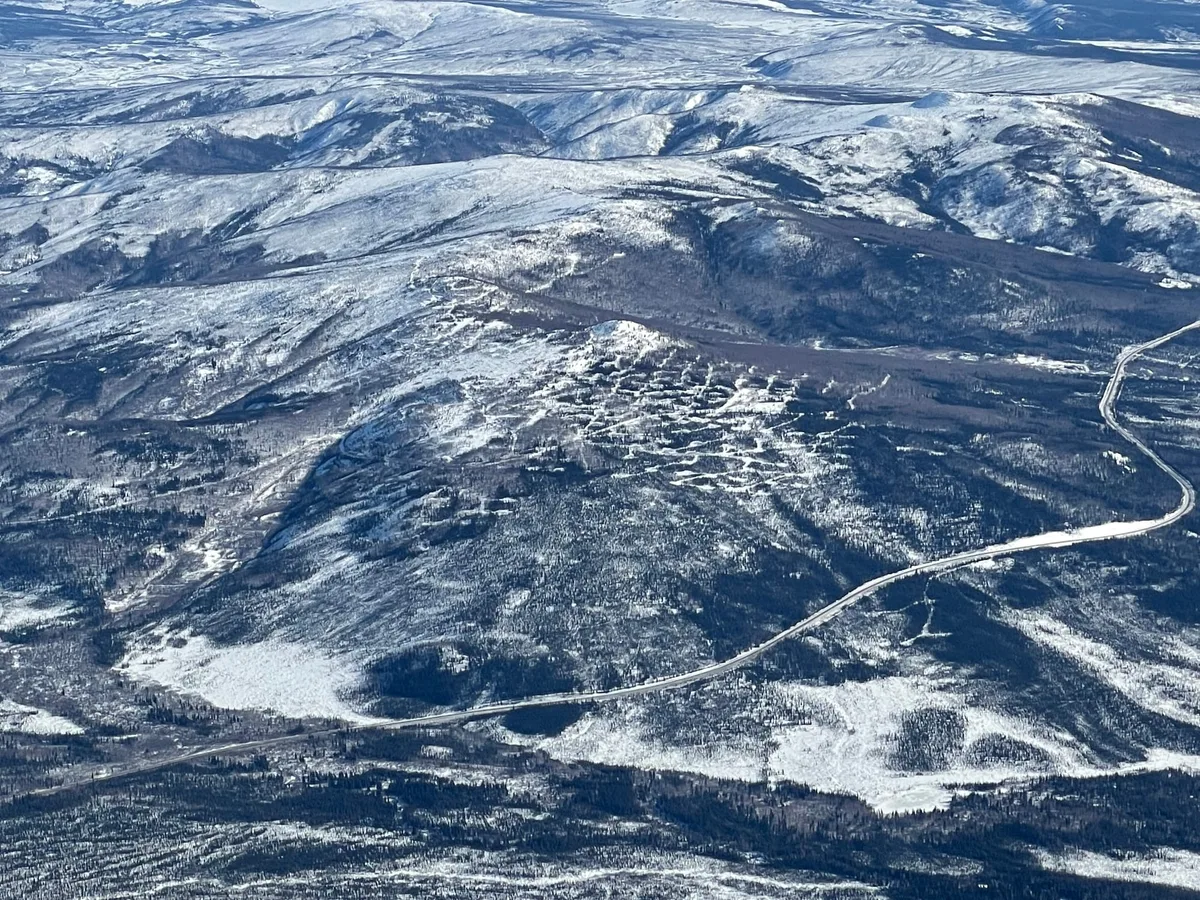
For years, some of Alaska’s largest mining proposals inched along, unable to attract big investment. Then the price of gold took off.
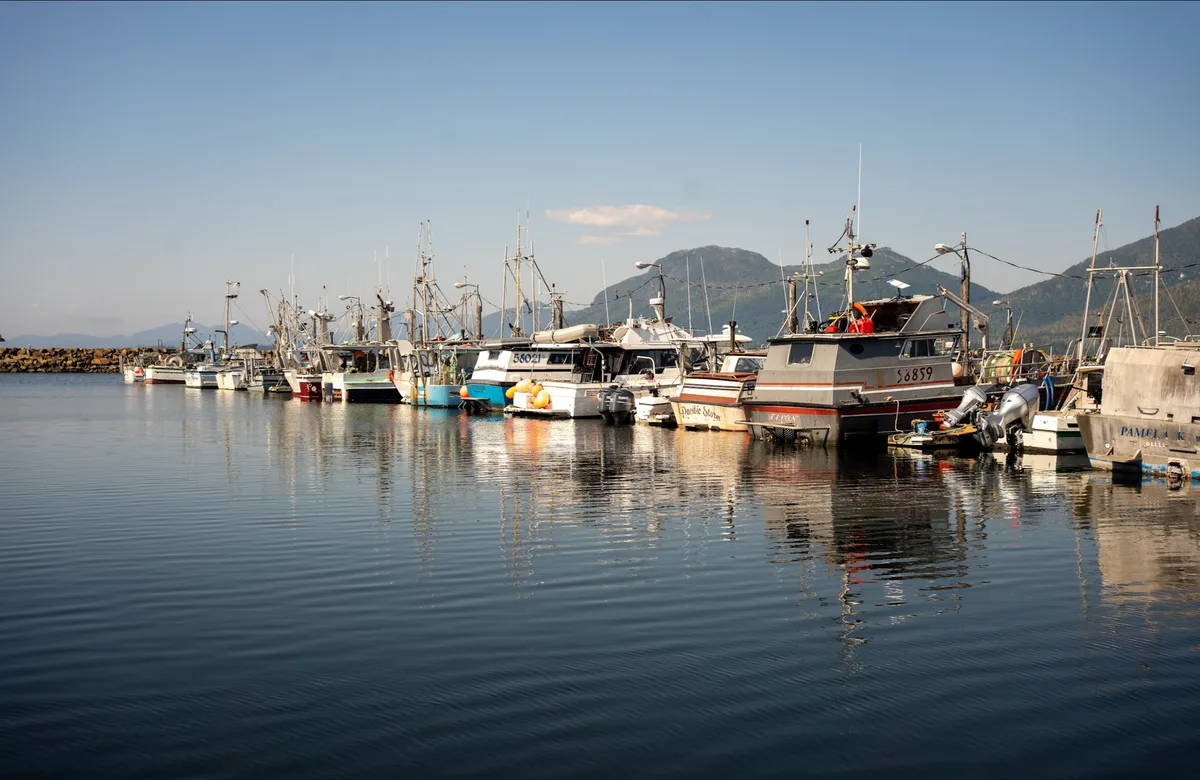
A half-century ago, the Indigenous Tsimshian village of Metlakatla, in Southeast Alaska, preserved its reservation when others in Alaska were terminated. Today, the reserve sustains a thriving fishing industry — and the tribe is fighting in court to expand its territory.
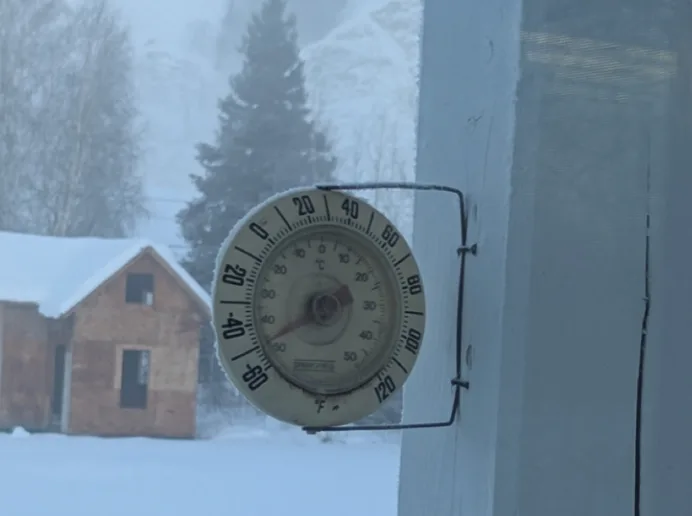
A long-running weather pattern shows no sign of relenting. “Cranky’s a good way to describe it,” says one mayor whose village hit minus 50.
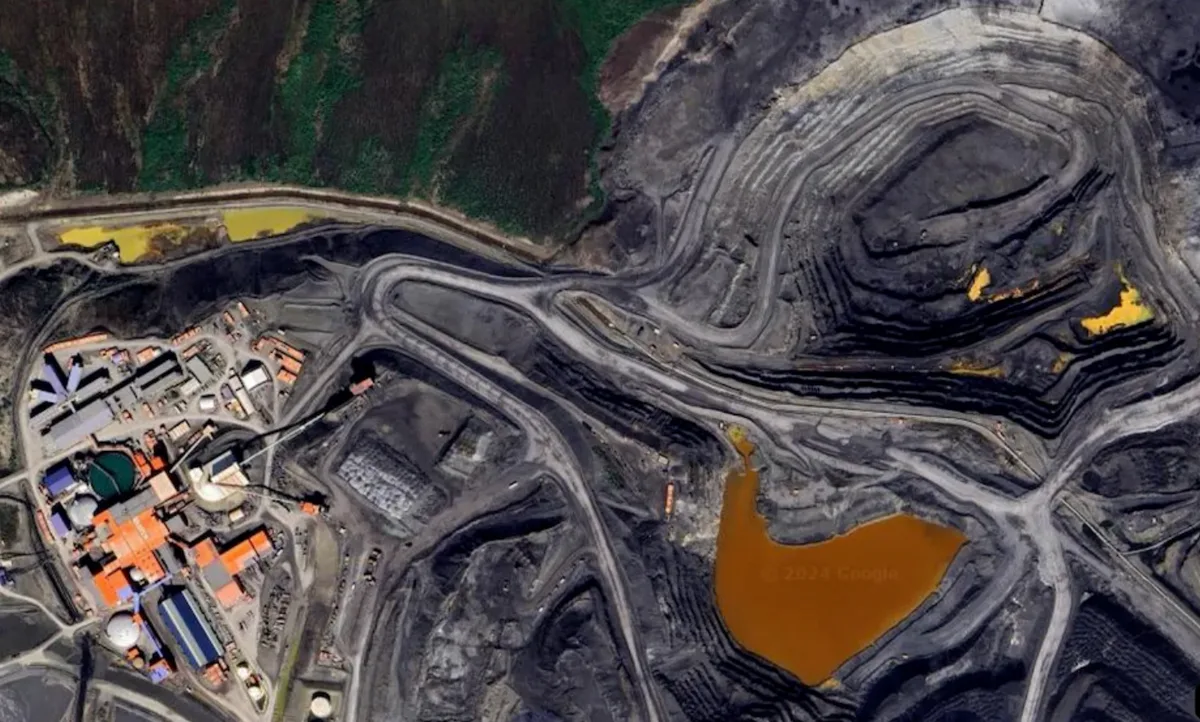
Rusting rivers and huge rainfall have complicated pollution control at Northwest Alaska’s massive zinc mine.
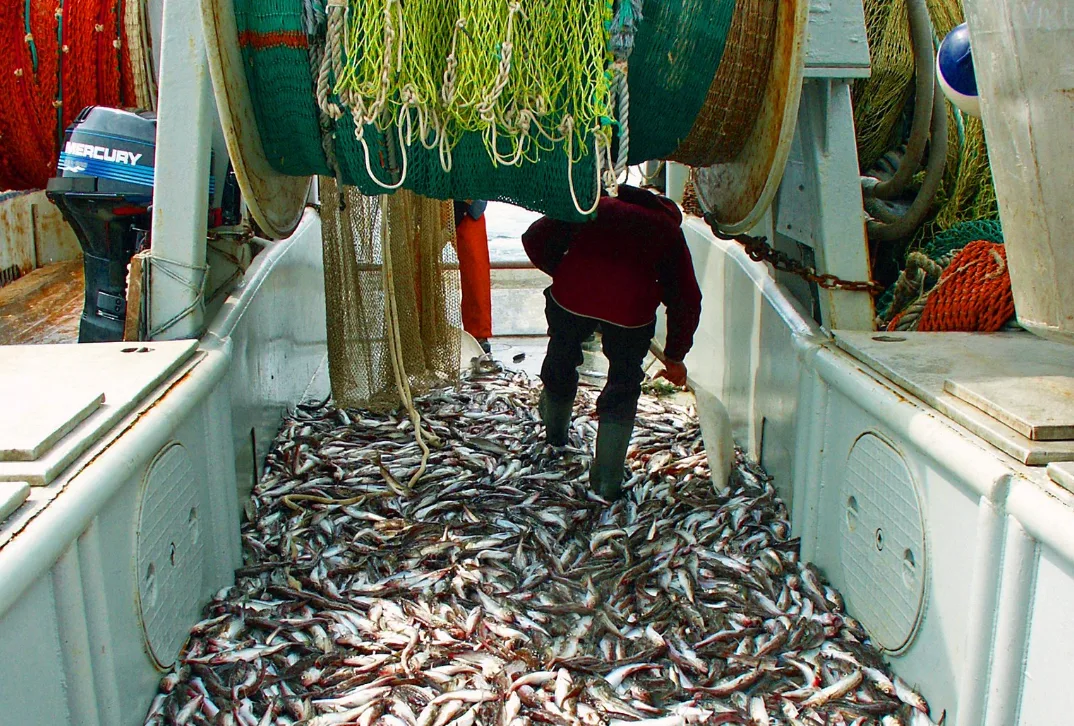
An investigation appears to center on whether seafood companies violated federal rules by processing accidentally caught salmon and halibut into low-value fish meal.
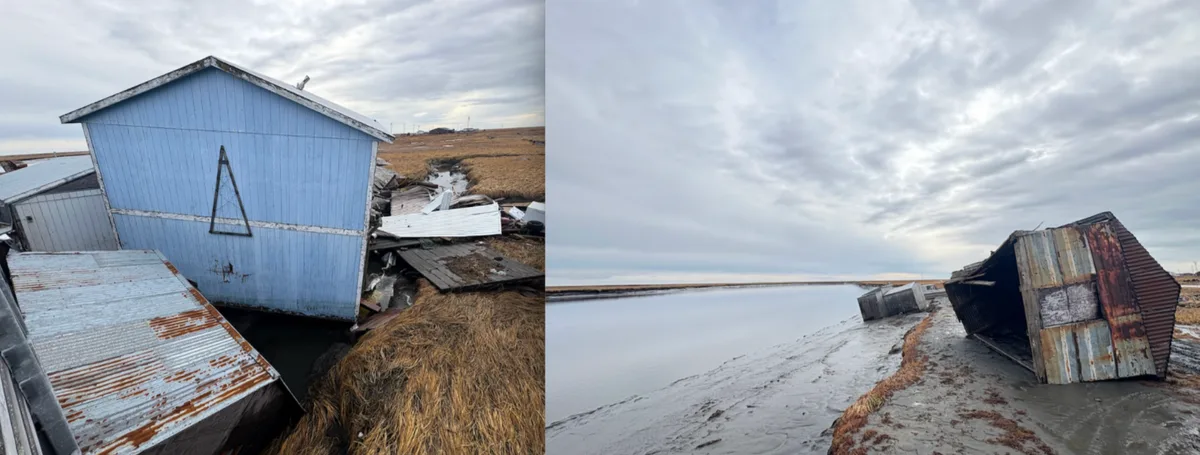
A study published before the storm said there's an $80 million-a-year gap in money needed to protect or move coastal communities.
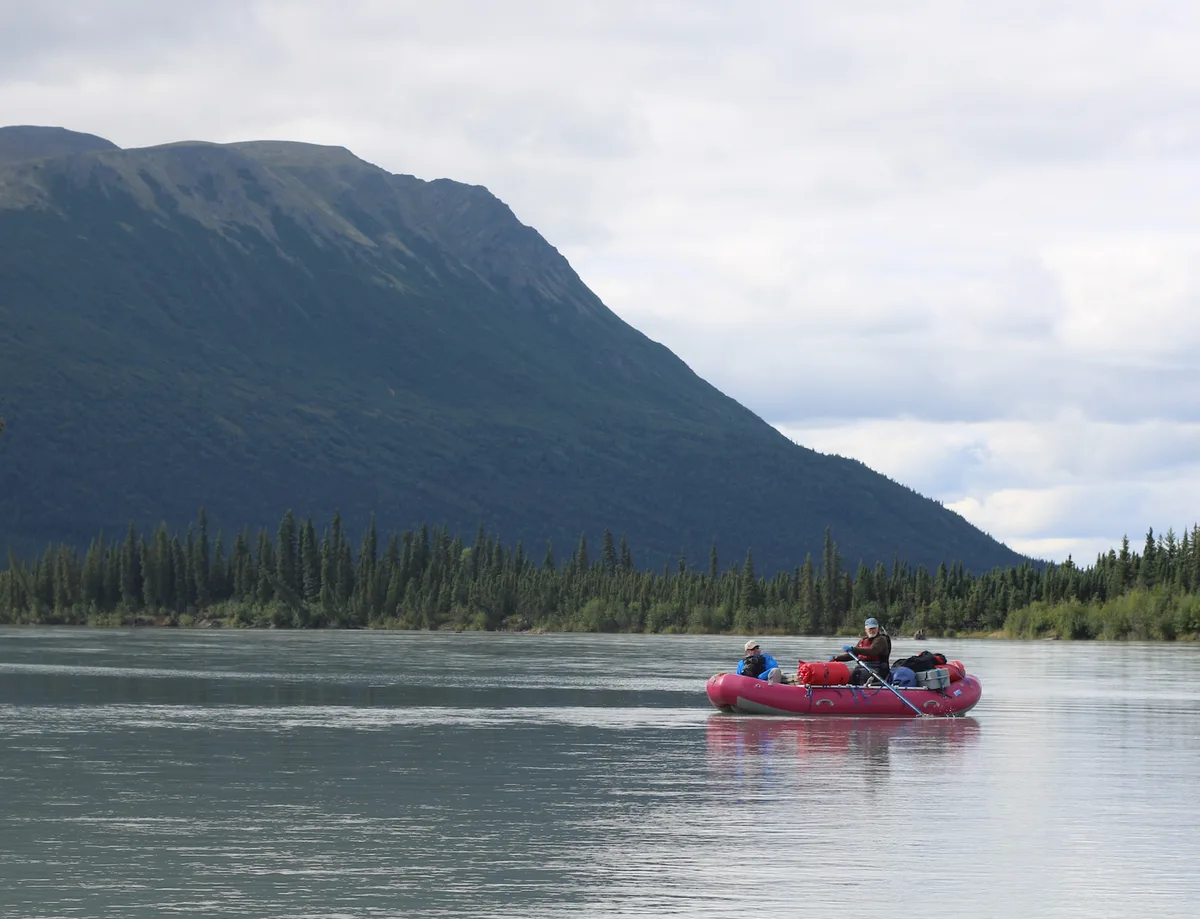
For decades, Alaska land managers have been working to confirm the state's ownership of land beneath navigable rivers and lakes inside national parks and refuges.
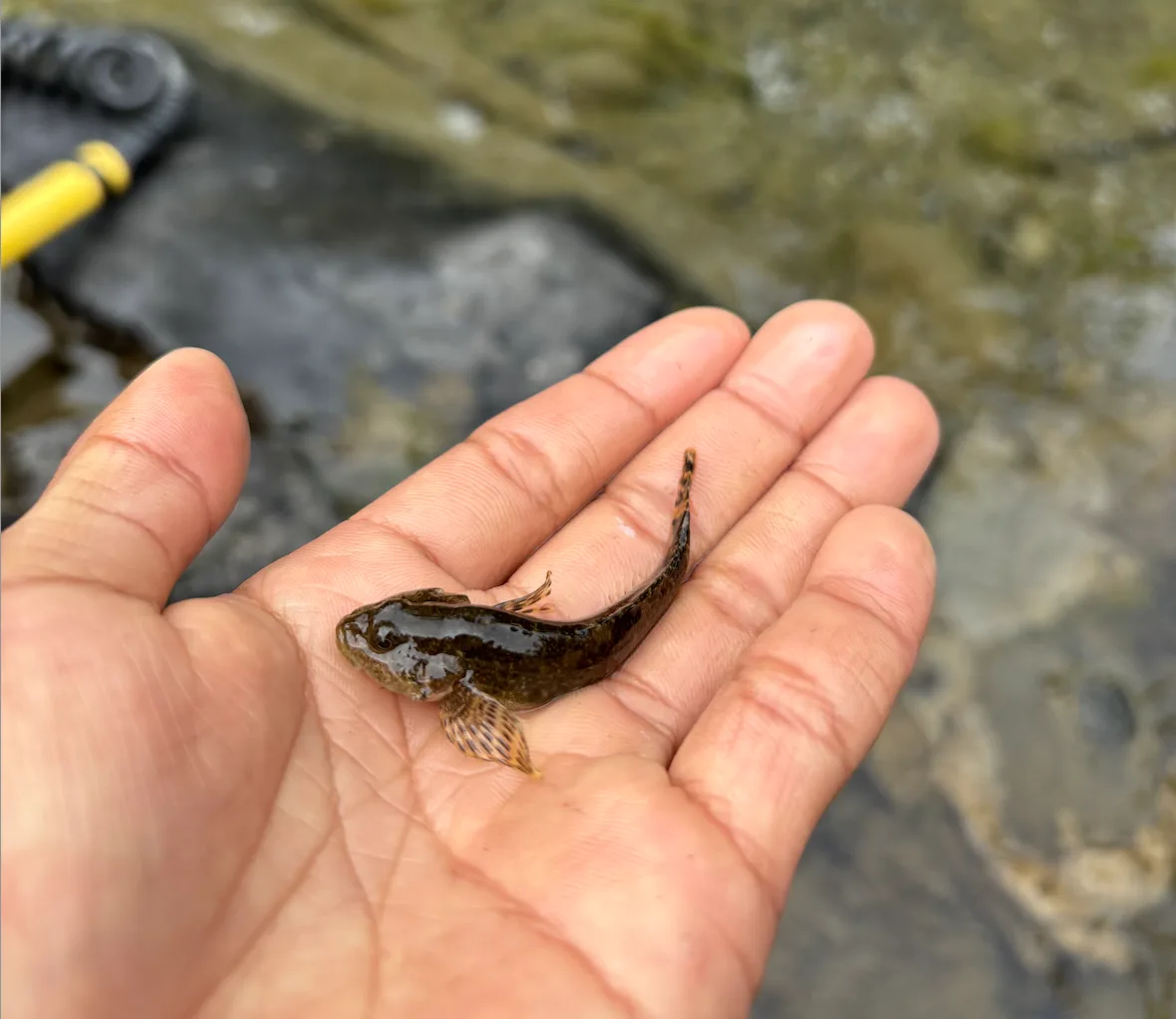
Behold, the slimy sculpin.
Anchorage utility executives say that a mild winter translated into lower electricity sales — and a hole in their budget.
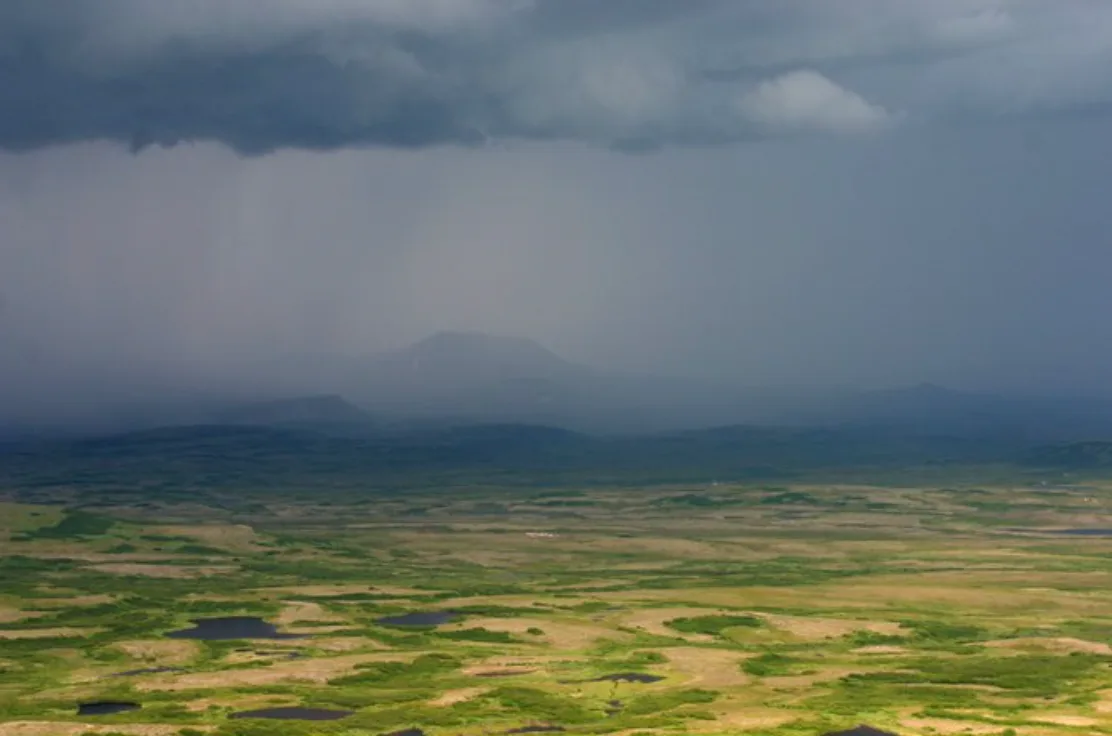
After a landmark veto, Trump administration officials say they’re “open to reconsideration” and are negotiating a potential settlement of a lawsuit filed by Pebble’s developer.
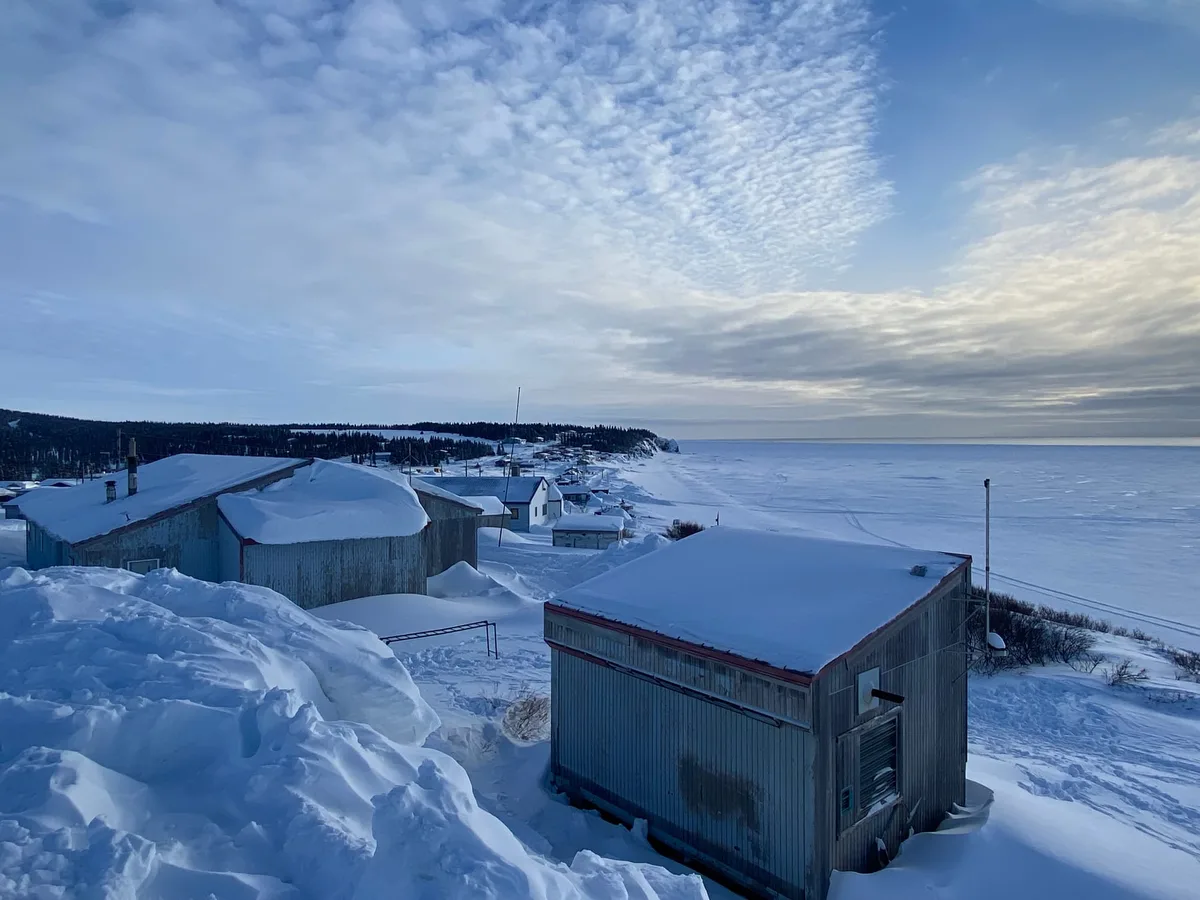
Demand for low-carbon nuclear energy could boost uranium prospects on Alaska’s Seward Peninsula. But residents of the small village of Elim fear a mine would pollute the river they depend on.
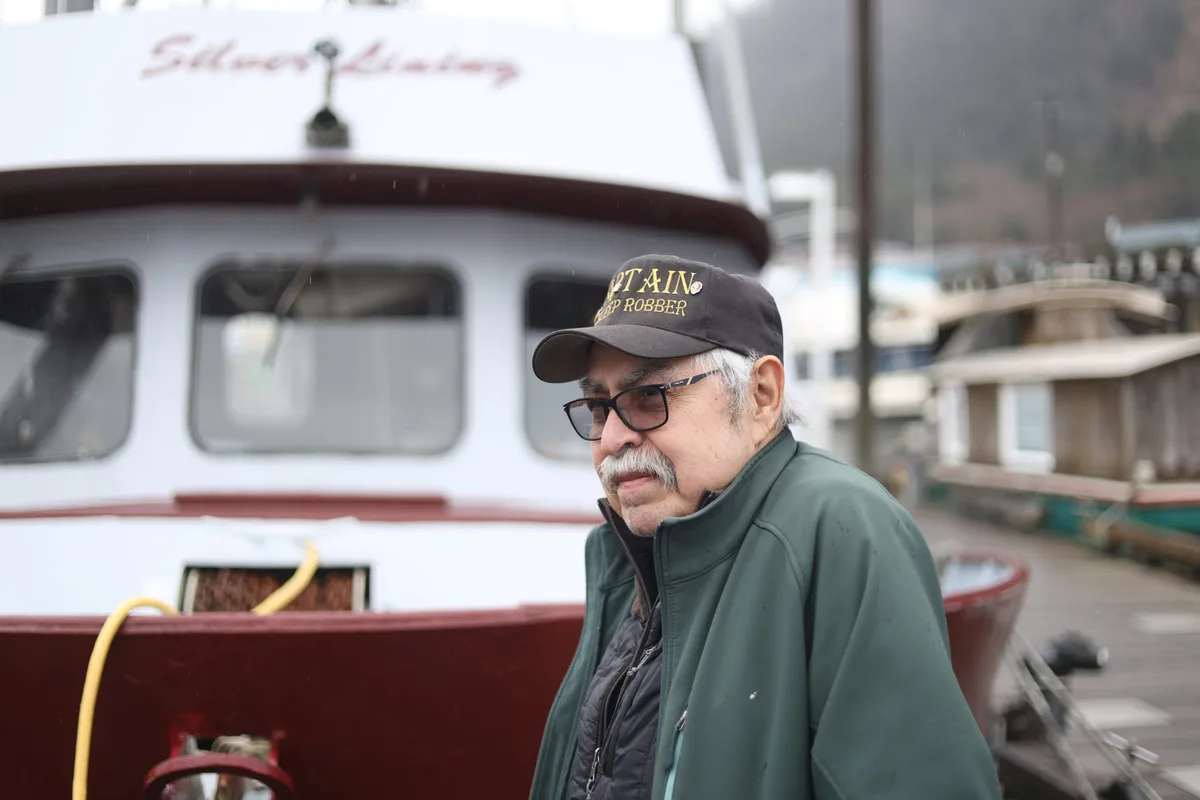
Alaska’s Legislature adjourned last week without addressing an issue that many residents of coastal, Native villages see as urgent: expanding access to commercial fishing careers.
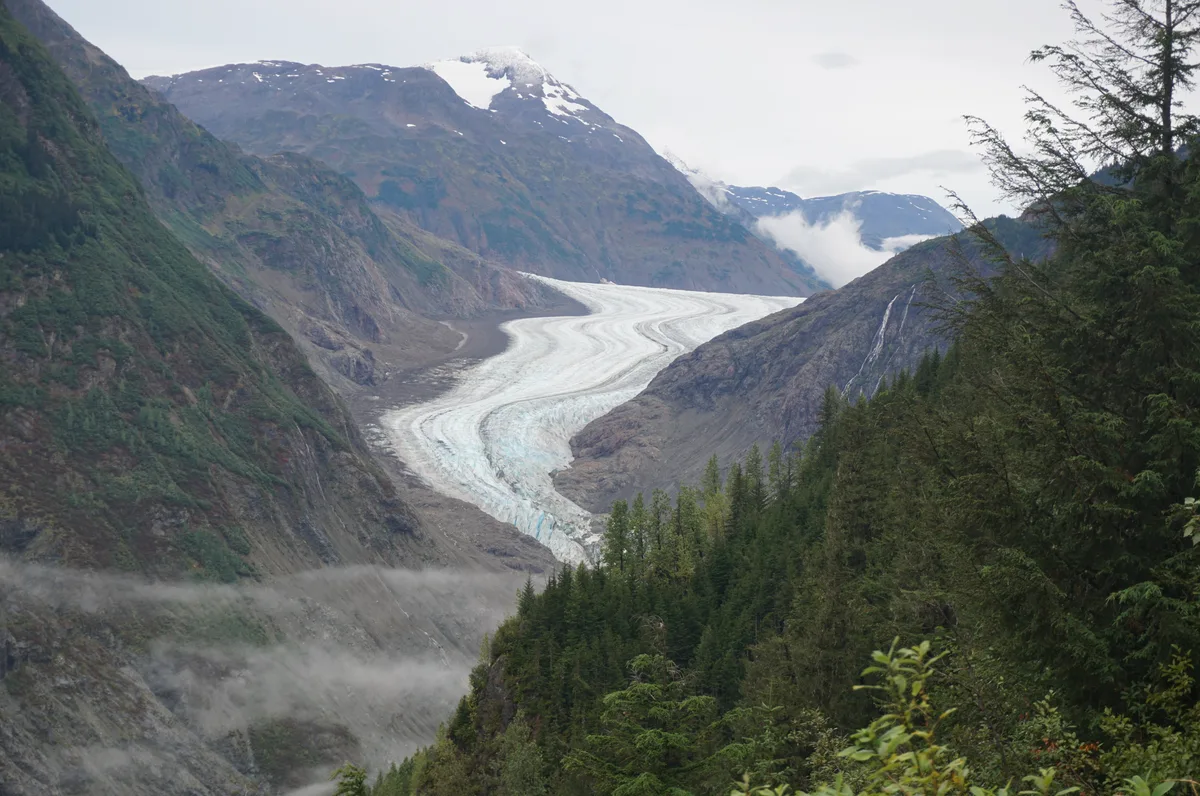
In a remote corner of North America, salmon and mining companies are vying for new territory.
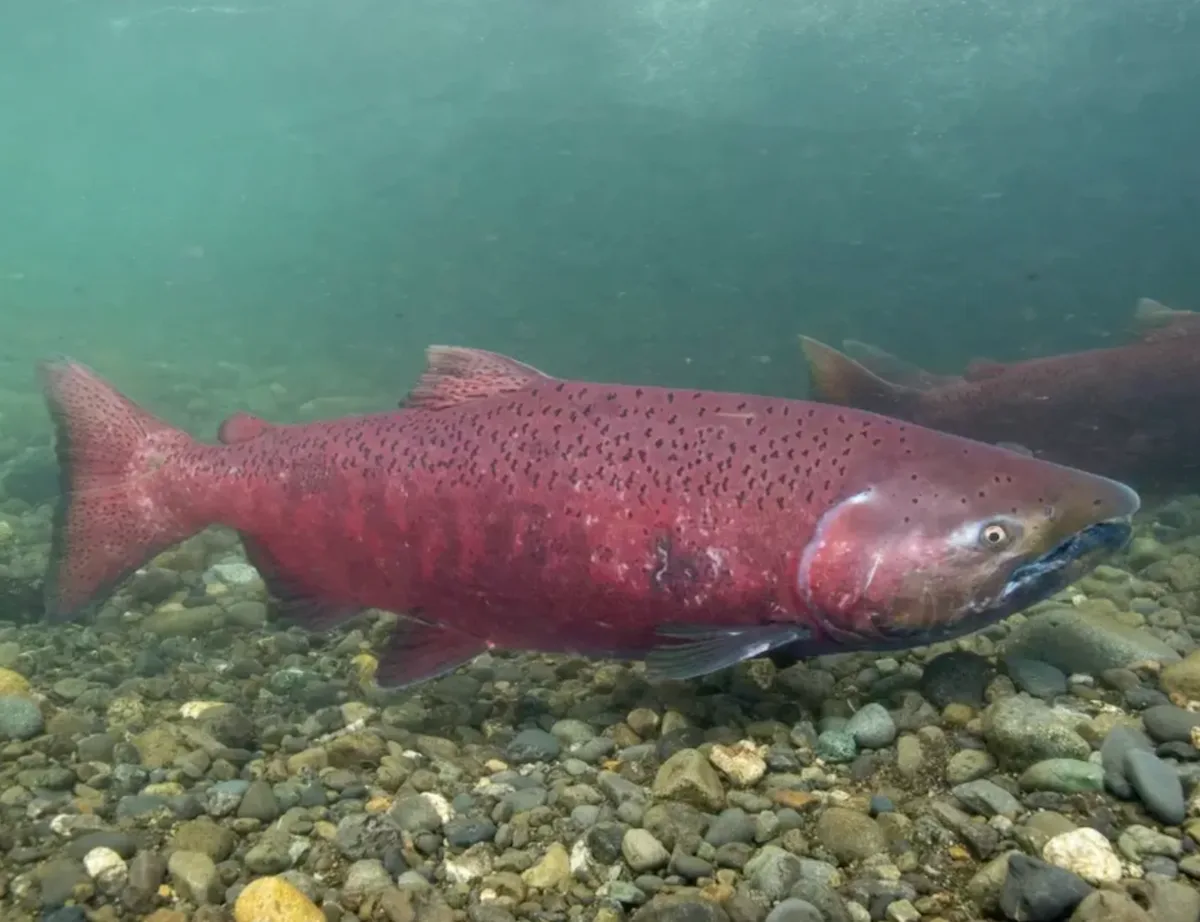
The lawsuit asks a judge to order the service to "promptly issue" its decision on the petition by a specific date.
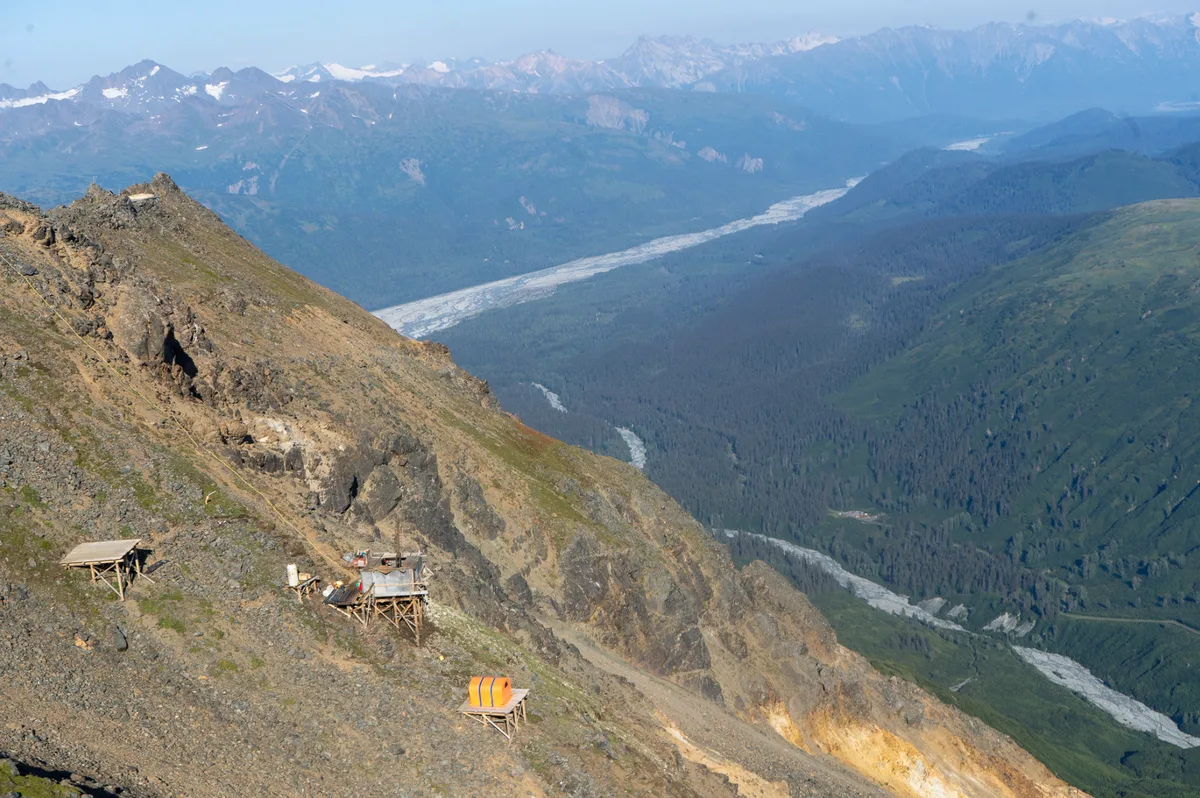
Opponents are celebrating the news as a setback for the Palmer Project near Haines, one of the state’s most advanced — and polarizing — mining projects.
The podcast is back! And other news.

The mining industry’s global quest for cheaper, cleaner power could change how thousands of Alaskans get electricity.
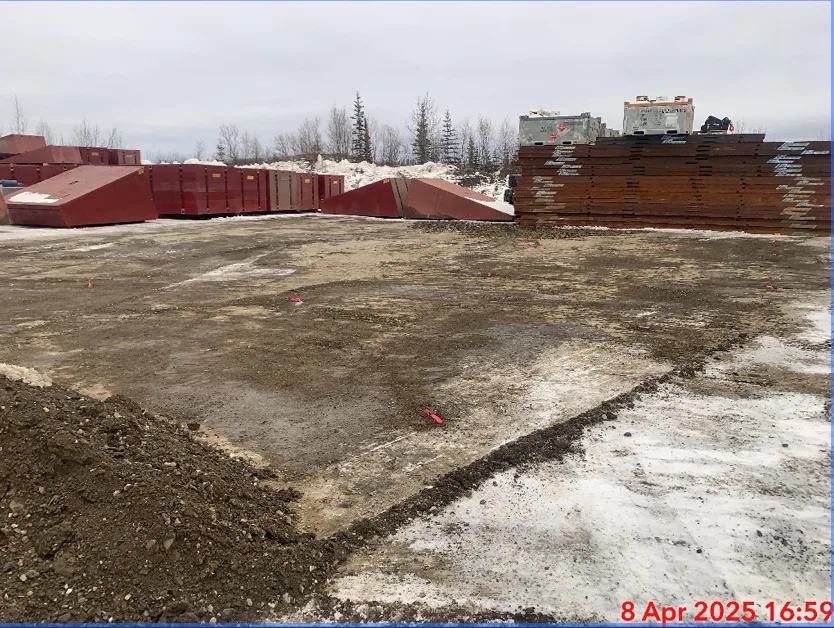
No one is saying whether the truck that spilled 1,000 gallons of fuel had been on a Hilcorp job. But it belongs to a company that’s worked for Hilcorp on its Yukon Flats exploration program.
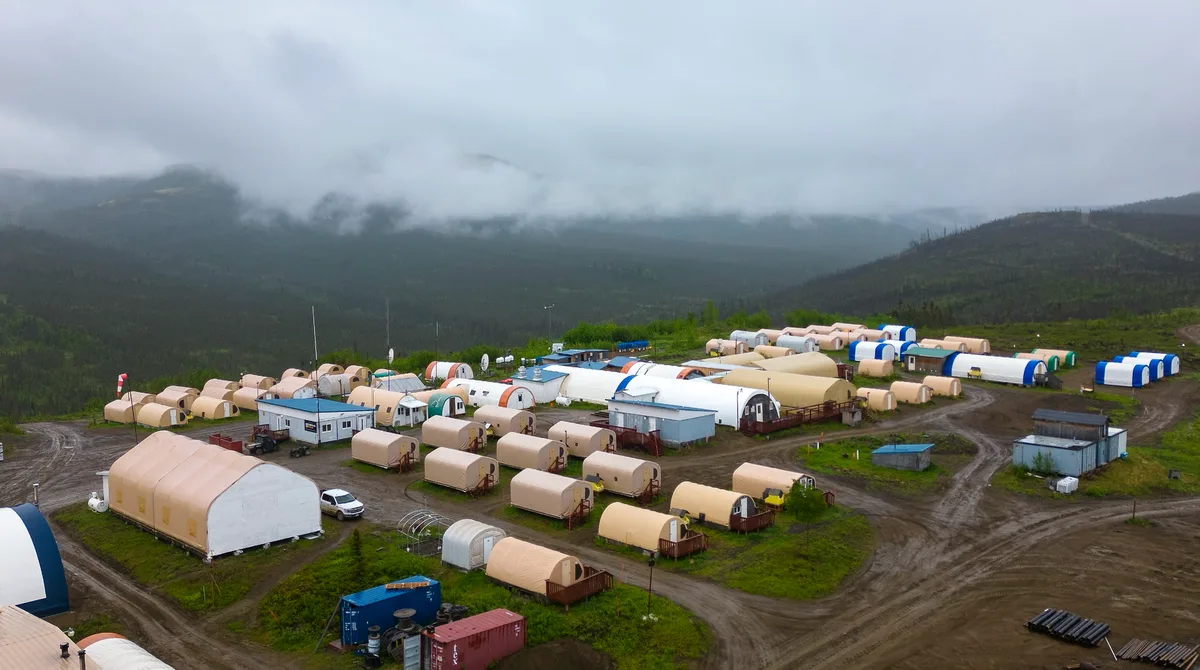
A global mining giant is selling its 50% stake in Donlin Gold. One of the buyers is John Paulson, who made billions betting against the housing market before the 2008 financial crisis.
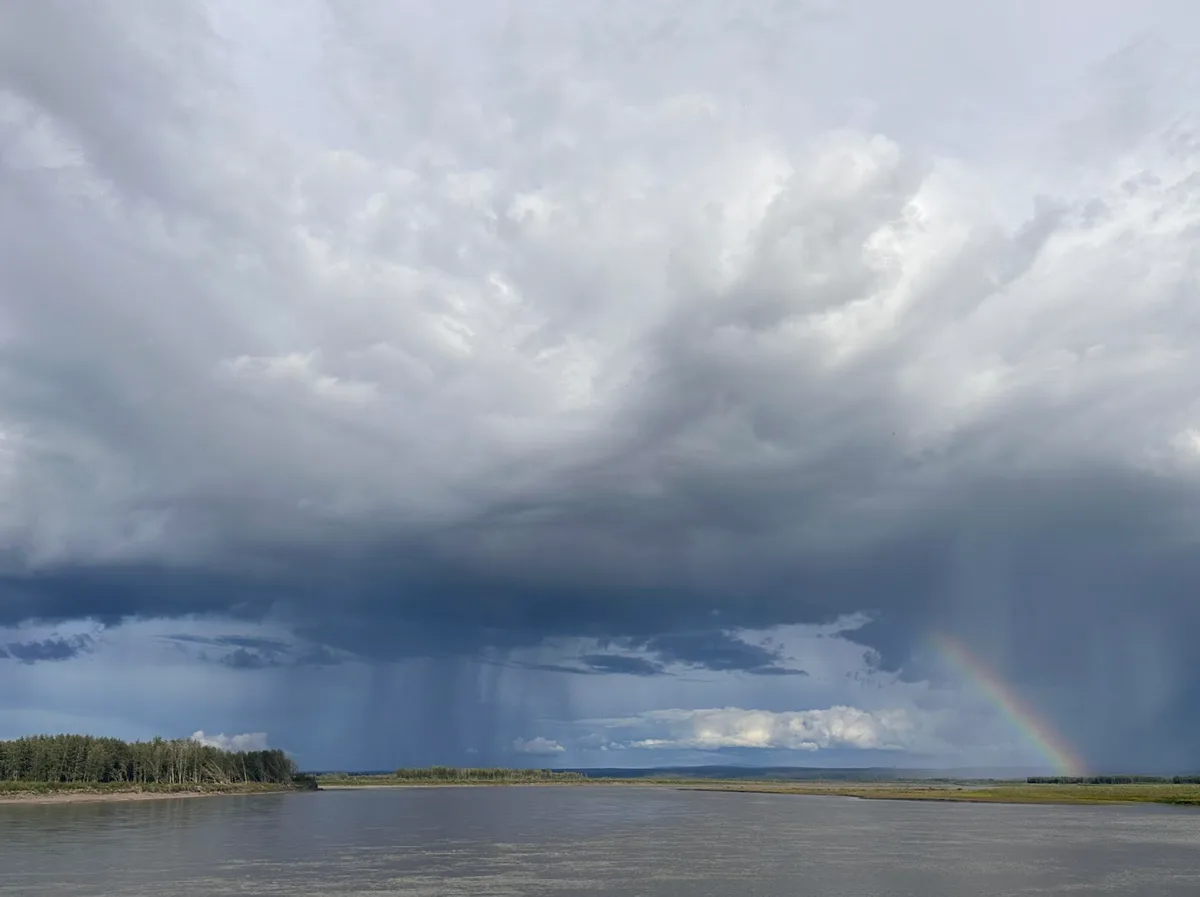
Hilcorp has signed oil leases with Doyon, the Indigenous-owned corporation for Interior Alaska, which hopes the drilling effort will yield the state’s next big oil field. But there’s fierce opposition from local tribes.
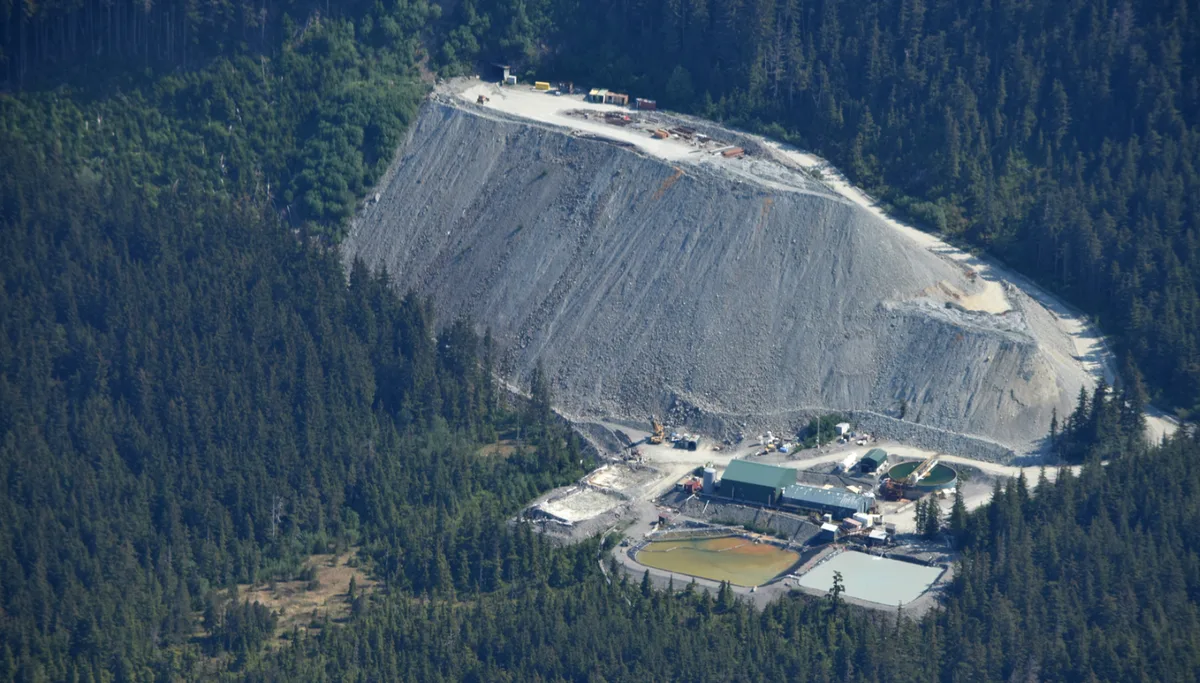
“Sometimes you’re just never going to have data that says, ‘Yes, that’s what it was,” said a top state regulator.

A standoff between World Championships organizers and Norwegian climate advocates is threatening to mar an otherwise impeccably executed event.
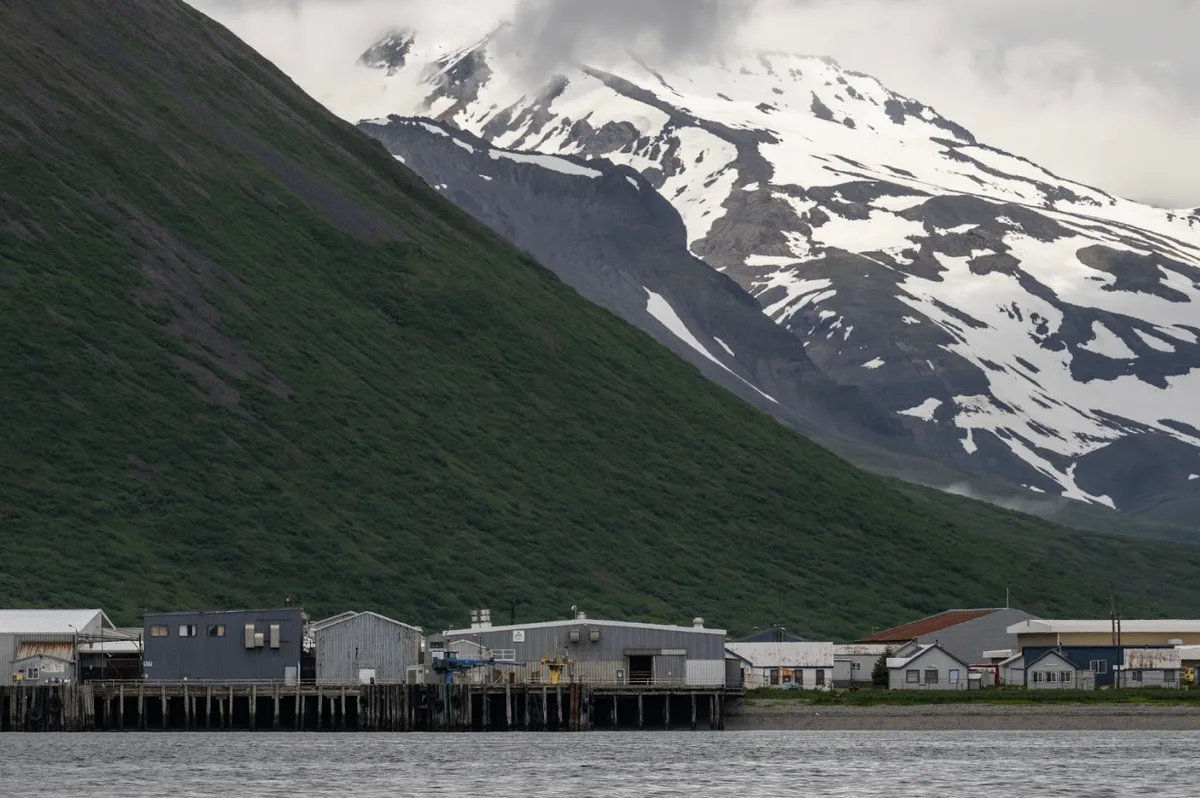
There were warning signs ahead of the bet on Peter Pan Seafood, which is expected to cost Alaskans more $29 million.
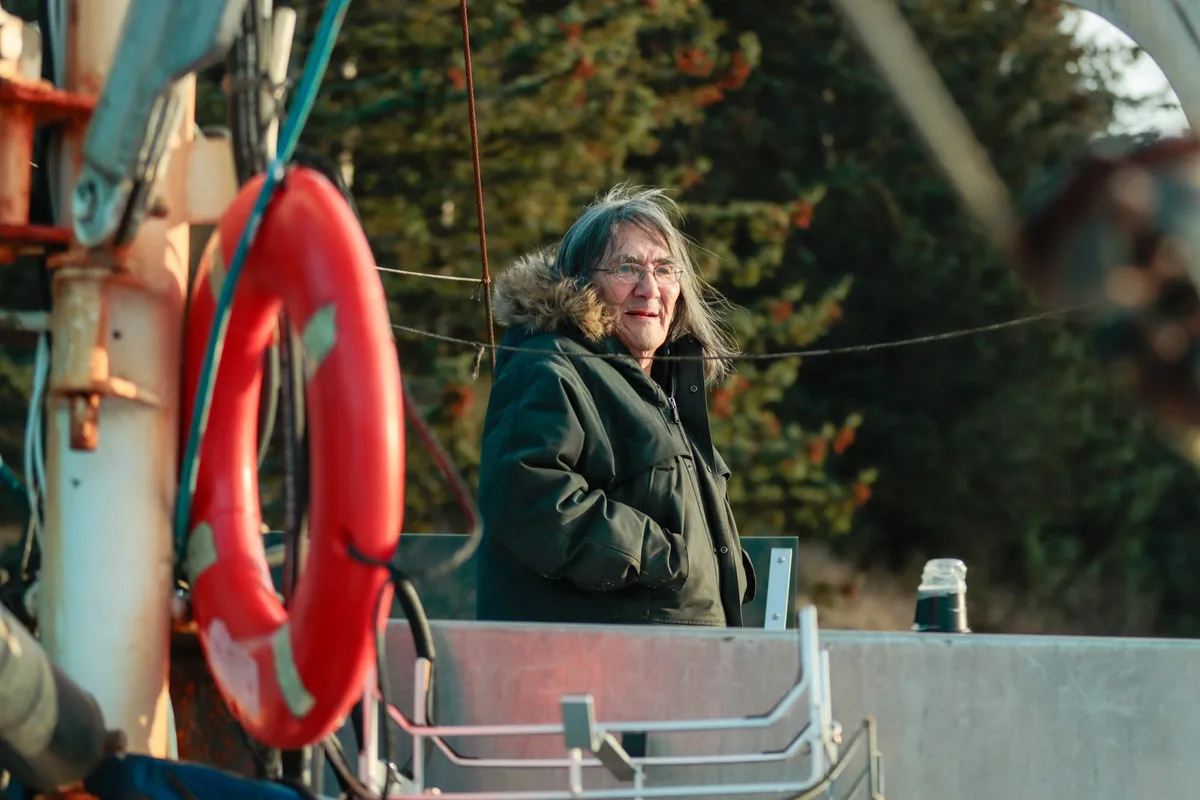
A permitting system designed in the 1970s was supposed to make Alaska’s commercial fishing industry more sustainable and more profitable. But over the last 50 years, it has hollowed out many Indigenous coastal villages where residents no longer can earn a living by harvesting salmon.
Boosters of a mining road in the backcountry northwest of Anchorage are poised to get a $100,000 federal grant for trail work. Some locals see it as part of an under-the-radar effort to push the road forward.
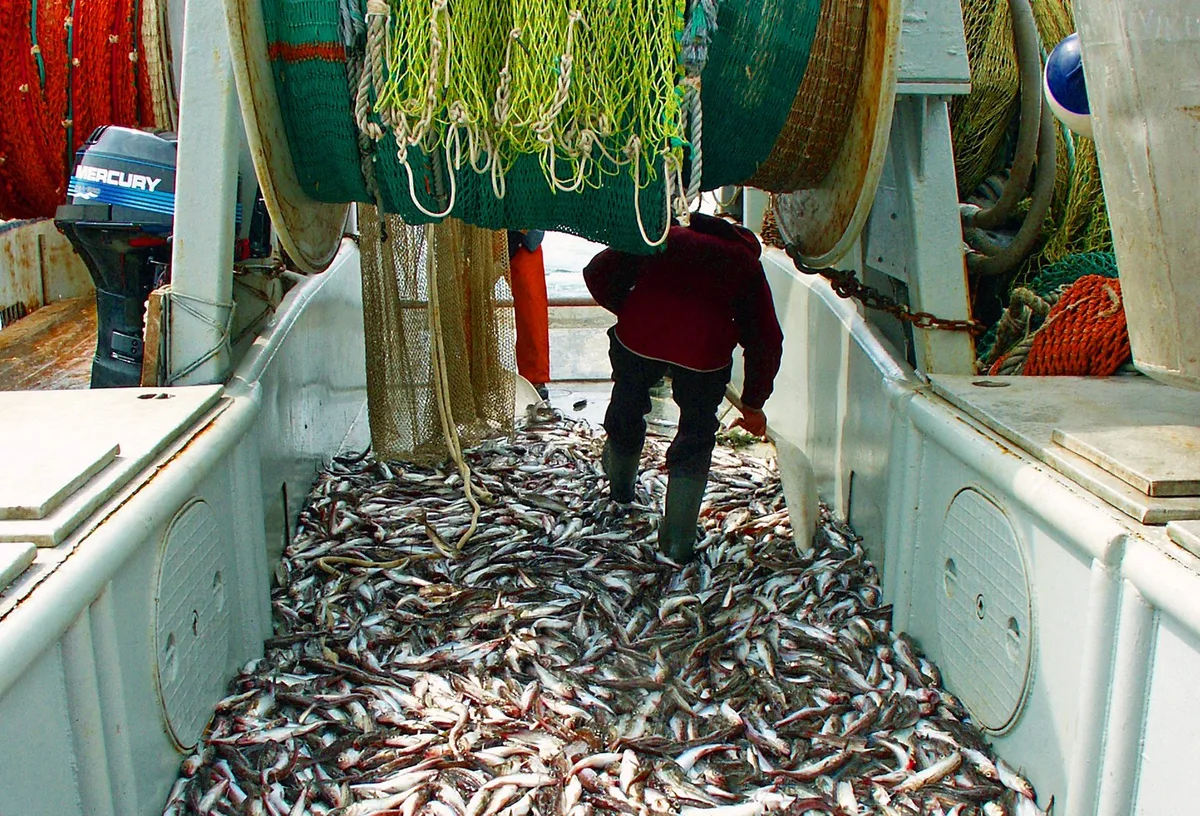
Conservation and tribal advocates have lobbied for a crackdown for years on the unintentional harvests of salmon and other species by Bering Sea pollock trawlers. Now, they’re turning their attention to a smaller pollock trawl fishery in Prince William Sound.
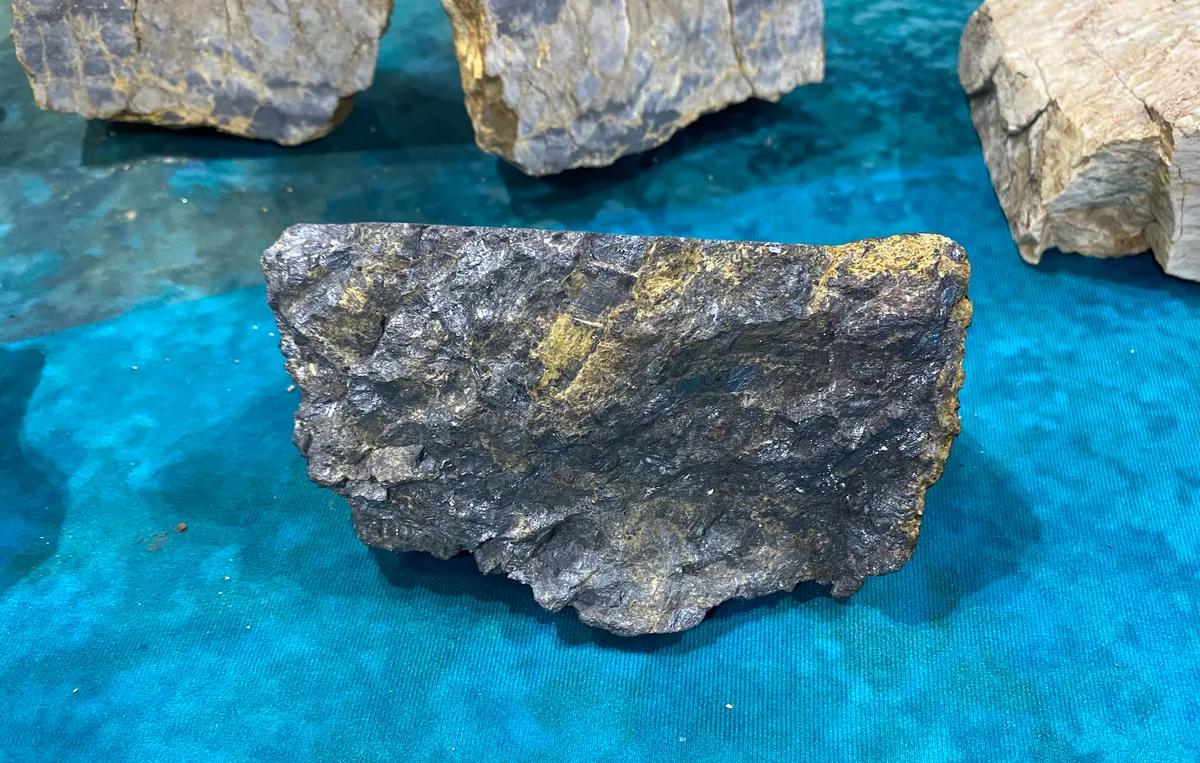
Two Australian companies are pursuing federal funding to jump-start antimony mining near Fairbanks and Anchorage.
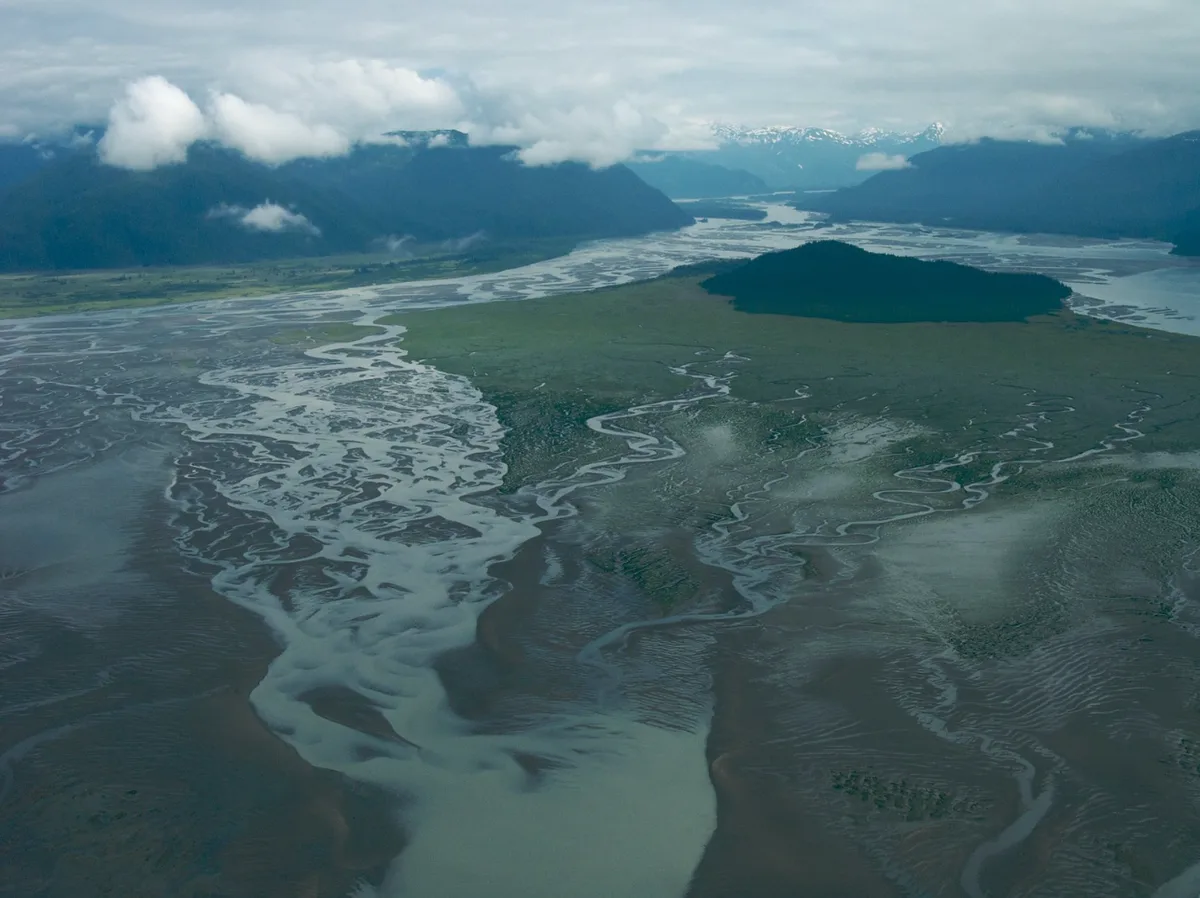
Canada’s federal government plans to fund a key road at the Galore Creek development, along a major salmon bearing river that flows into Southeast Alaska near the fishing town of Wrangell.
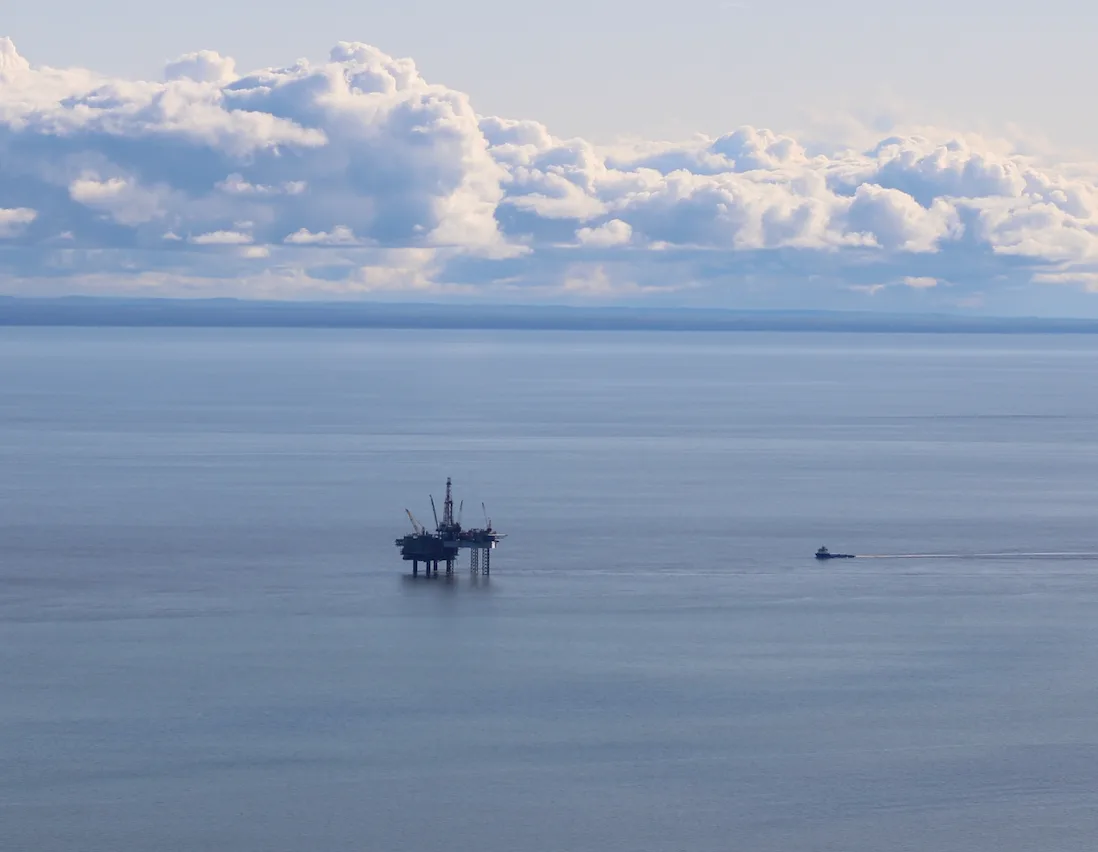
Also: A renewable energy advocacy group says a recent ruling by state regulators is an "abdication" of their responsibility, and a contested election for leadership of Alaska's largest statewide Native organization.
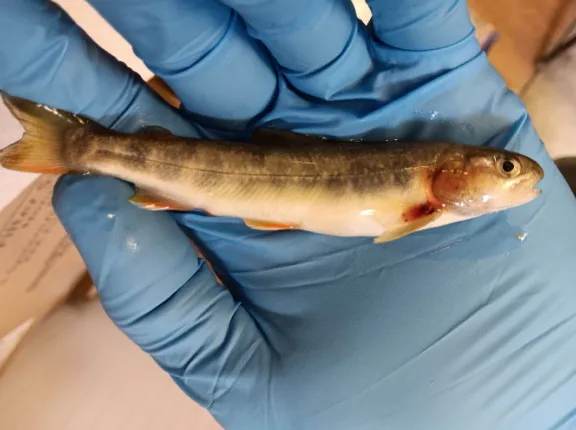
State fish scientists say the circumstances of the fish kill suggest that it stems from a water quality problem. But regulators say they're still waiting from data from the Kensington gold mine's operator.
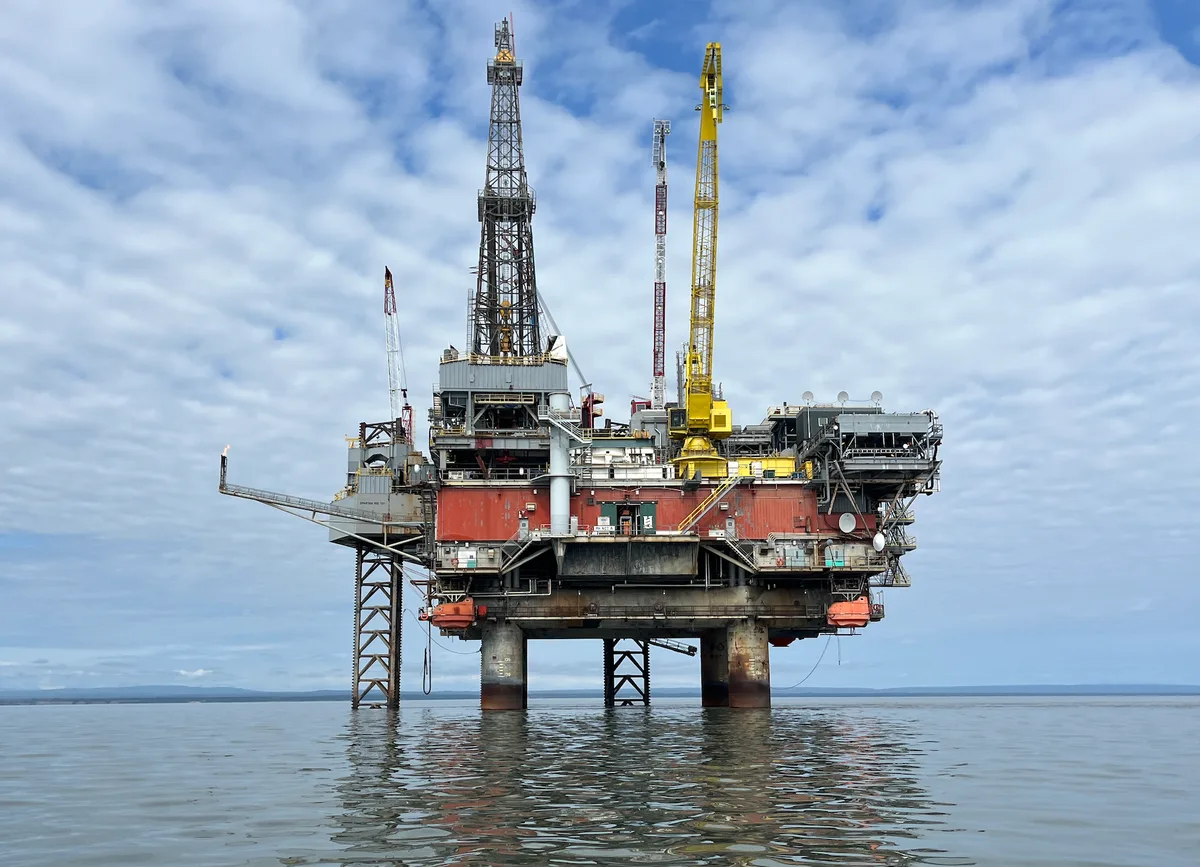
The Regulatory Commission of Alaska rejected a proposal to increase electricity rates for heavier users. And: updates on the Kodiak king salmon bycatch incident and the future of Peter Pan Seafood.
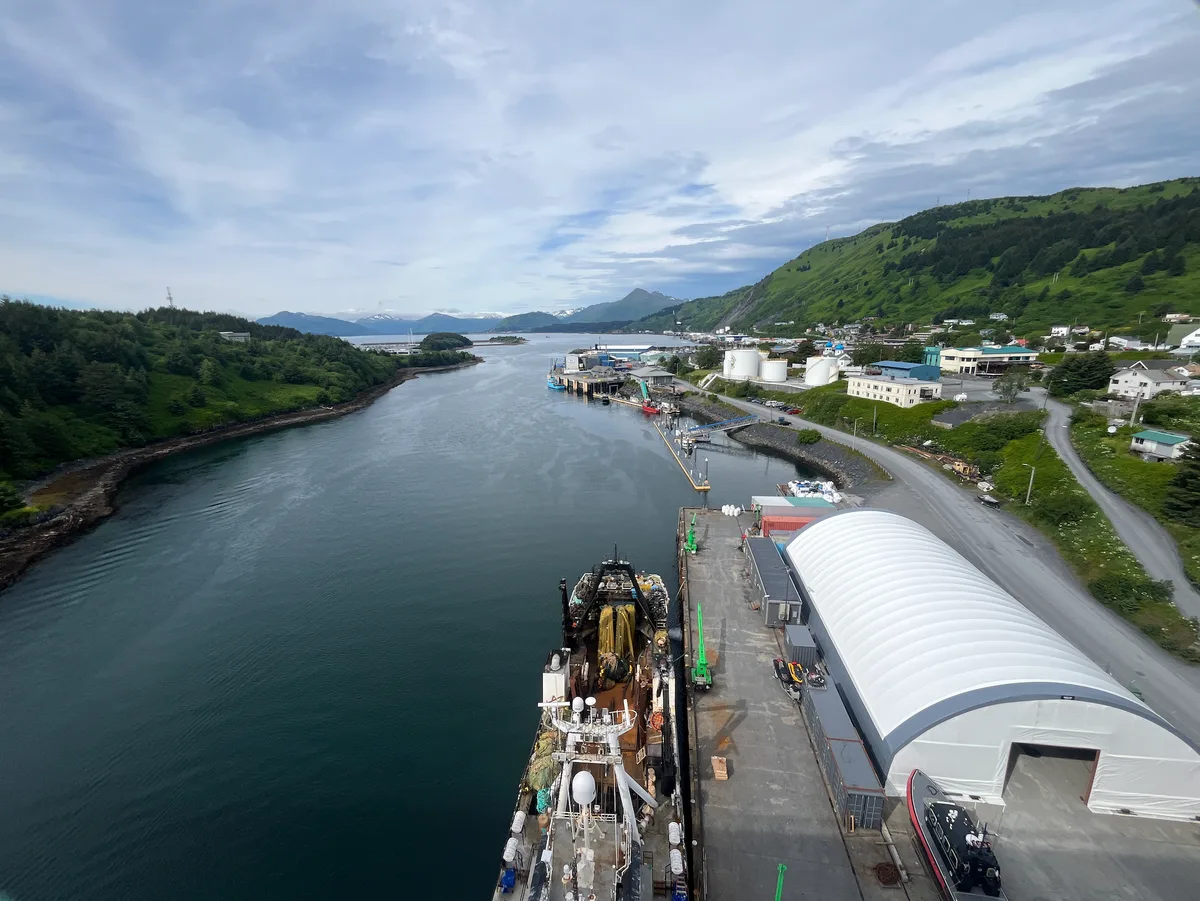
The incident is sure to draw more scrutiny on the issue of bycatch — the industry term for the unintended harvest, typically of salmon or halibut, by boats targeting other species.
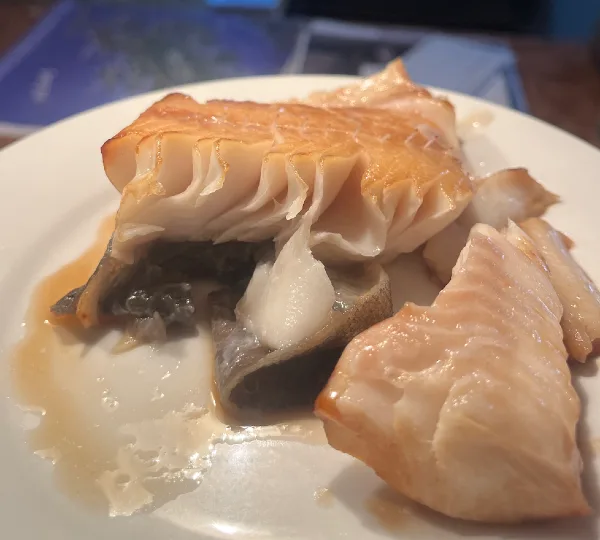
Alaska caught black cod is oily and delicious, and it's selling at rock bottom prices right now in part because of the devaluation of the Japanese yen.
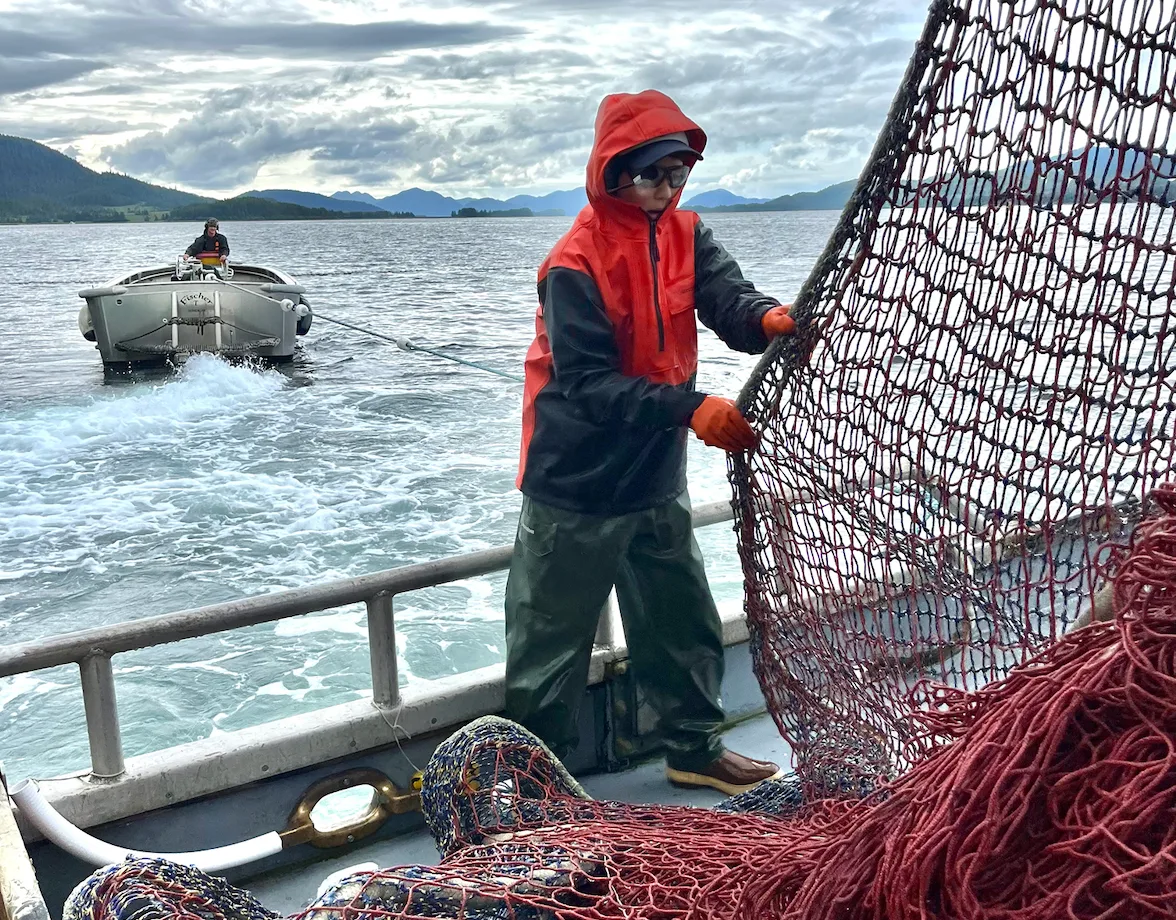
Skippers in Prince William Sound and Kodiak say this year's pink harvest is one of the worst they’ve ever seen. “I wake up every morning and I try to apply for a different job," one said.

Washington’s Democratic governor had advanced an ally of tribes and conservation groups for appointment to the federal commission that manages lucrative fisheries off the Alaska coast. But the U.S. commerce secretary instead reappointed an official from a Seattle-based trawl company.
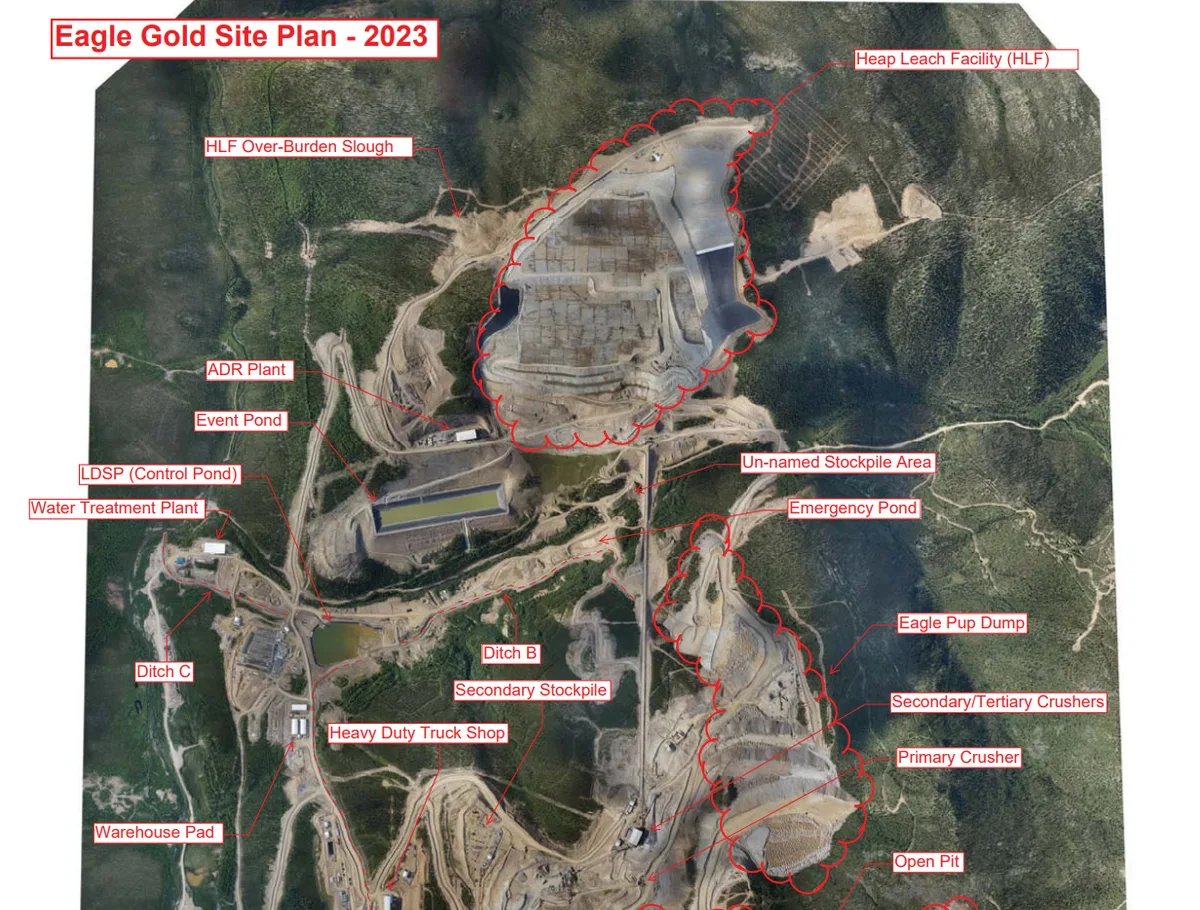
Officials say cyanide pollution at Victoria Gold’s Eagle Mine poses no health risks to Alaskans. But advocates worry it could compound a yearslong salmon crisis on the Yukon River — and should draw new attention to Canadian mines in areas that drain into Alaska waterways.